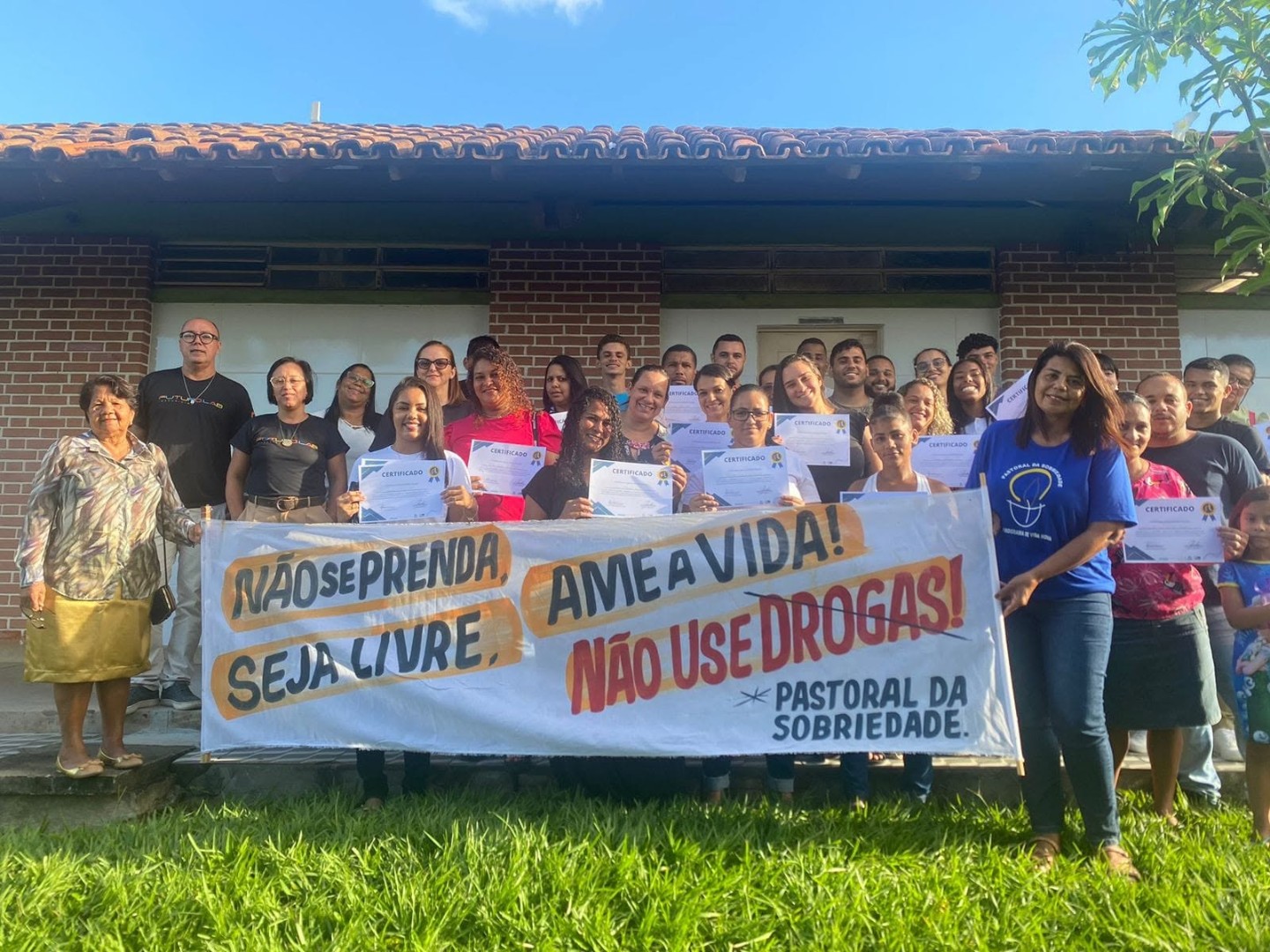
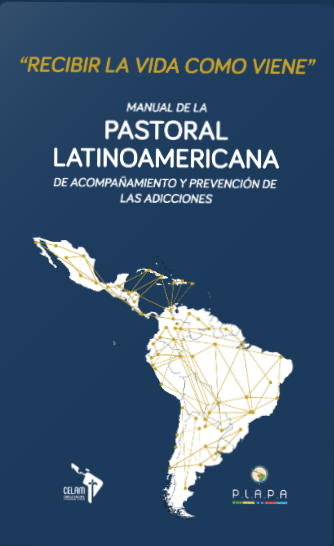
There is a network in Latin America known as “La Pastoral Latinoamericana de Acompañamiento y Prevención de Adicciones (P.L.A.P.A)” (The Latin-American Pastoral Plan for the Accompaniment and Prevention of Dependence on Drugs), that originated from a synodal process begun in 2023, from the recognition that part of the mission of the Church is accompanying persons who have problems with drugs, as well as their families and community.
At this moment, 15 organizations throughout 6 countries are part of the PLAPA network: Argentina, Bolivia, Brazil, Chile, Colombia, and Paraguay:
“We have united the ecclesial workers of Latin America and the Caribbean who face and accompany dependencies, sharing concrete experiences as spaces of community prevention.”
The primary objective is to promote networks through which to share experiences, resources, and proposals that can support those who work daily to help those affected by dependencies so that they can be an inspiration for other communities who wish to begin this service of assistance:
Our mission is that no one passes through these sufferings alone. Let us build communities that take care of persons in difficulty.”
In just a few years, PLAPA has already produced many instruments envisioned to reinforce regional prevention and accompaniment. These are collected in a free digital library. There is also a section dedicated to formation, where it is possible to find courses, workshops, and webinars with virtual encounters.
The most recent resource (June 2026) is the manual “Recibir la vida como viene” (“Receiving life as it comes”), a pastoral instrument for action, listening, and integral accompaniment of the Latin American community on the question of dependence.
The fruit of a wide participatory and synodal process, the manual integrates the spiritual dimension with instruments of communitarian intervention developed in the region. Still, it does not present itself as a traditional book enclosed in a PDF, but rather uses the rolling release (continuous updating) format:
“We understand that the realities in our territories change and that the regional understanding grows richer day by day.”
At the end of each chapter is found a “contribution box”. Whoever has an enriching experience, a correction, or an additional perspective can submit it on the form present here. One of the teams will receive these contributions, evaluate them in a timely fashion, and integrate them directly into the manual, so that it remains always up to date.
Among the other resources the “Propuesta para una pastoral diocesana de adicciones” (Proposal for a diocesan pastoral plan on addictions), with guidelines to adapt and sustain the pastoral pan in the diocesan environment and the book “Una Luz en la Noche de la Druga” (A Light in the Night of Drugs), that gathers deep reflections on the problem of dependence, offering a pastoral approach based on live, community, and hope.
In addition, a 10-episode podcast is available titled “La Vida Como Viene” (Life as it Comes), prepared by CELAM (Latin American and Caribbean Episcopal Council) and containing a series of conversations with voices from the Latin-American continent and testimonies from the entire region. A pastoral and communitarian perspective to accompany, prevent, and care for people affected by dependence.