
The Catholic Church in Cambodia is promoting pastoral initiatives aimed at welcoming and accompanying individuals and families experiencing situations of vulnerability.
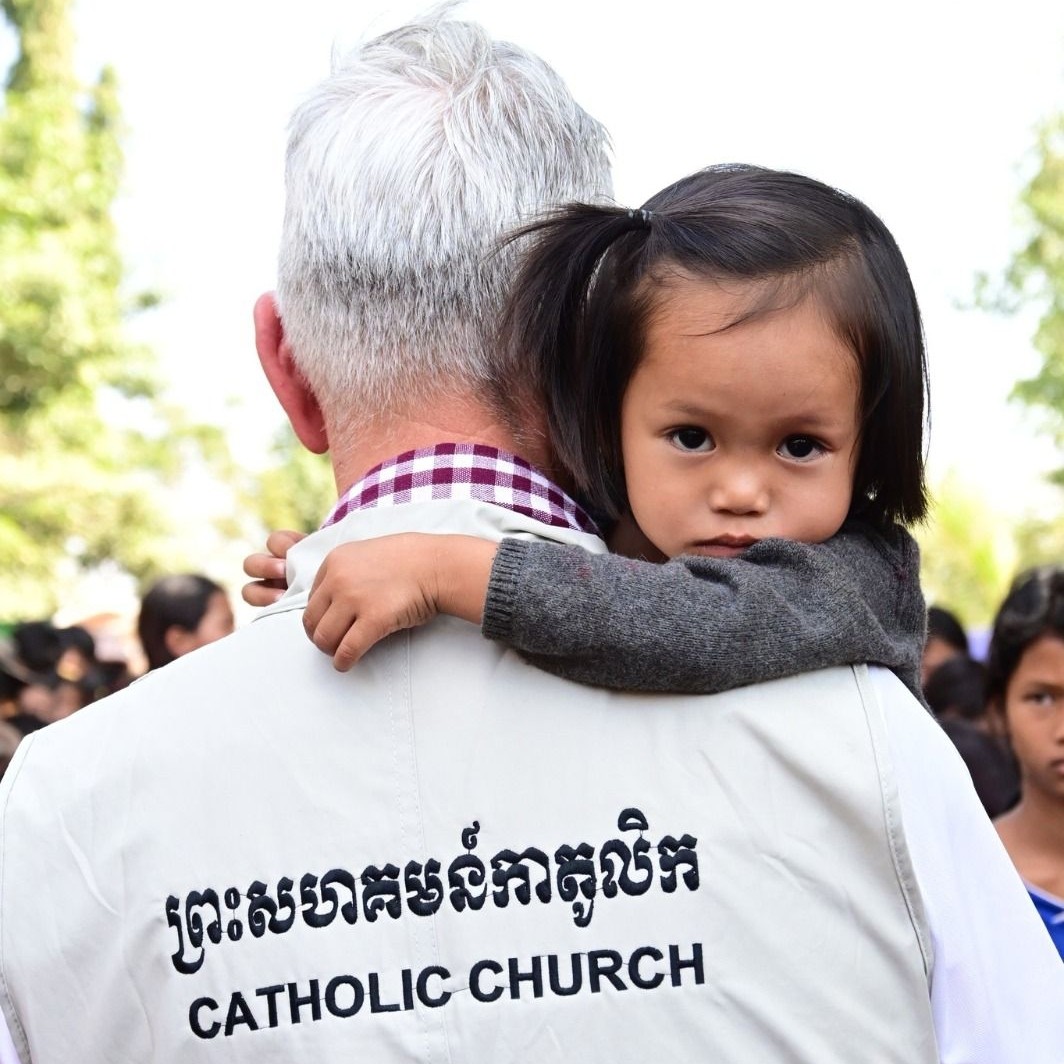
That is the goal of the Peace Village, located in Choumkartieng, in the provice of Takéo, southern Cambodia, founded in 2011 by Bishop Olivier Schmitthäusler, MEP, Apostolic Vicar of Phnom Penh.
The motivating principle of the project is the recognition that each person, regardless of age, sex, or disability, has the same dignity and rights. The project promotes solidarity, respect, and collaboration, while rejecting all forms of discrimination and helping each person to develop their own gifts in an environment of peace and joy.
In this way, Peace Village is a concrete expression of a community where everyone is welcomed, valued, and accompanied.
The initiative includes a center for children with severe disabilities, families affected by HIV/AIDS, the elderly, along with a kindergarten.
Its mission is not limited to assistance, rather, it strives to offer opportunities for education, vocational training, and social inclusion, from early childhood education through higher studies. For young people with disabilities, short-term vocational training programs are designed to promote autonomy and self-sufficiency.
This project also includes production and educational activities that strengthen one’s capacity to participate actively in society. For example, they offer traditional silk and cotton weaving, the production of goods from 100% recycled materials, and activities for children and young people, such as the local Scout movement.
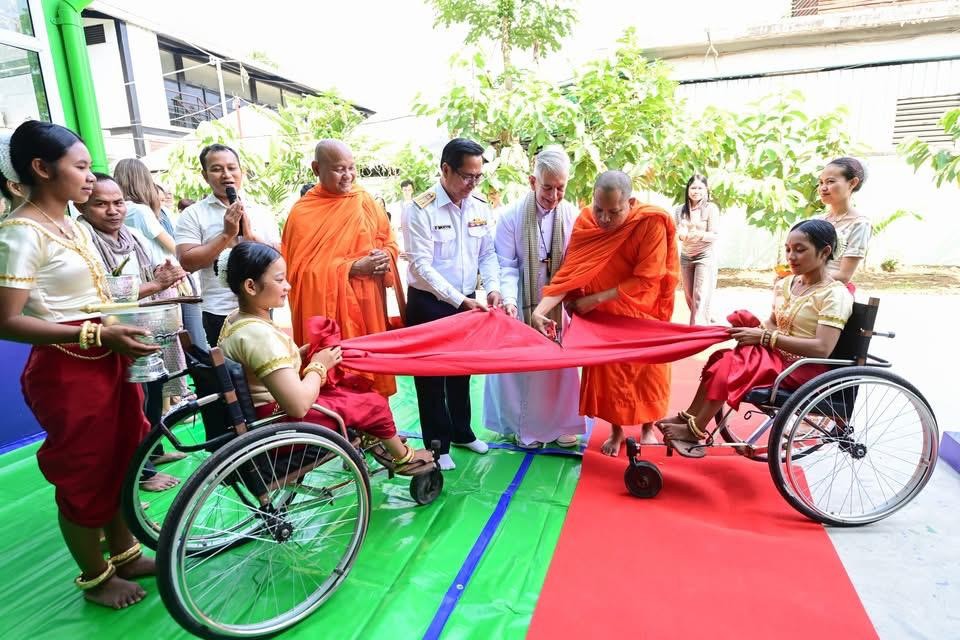
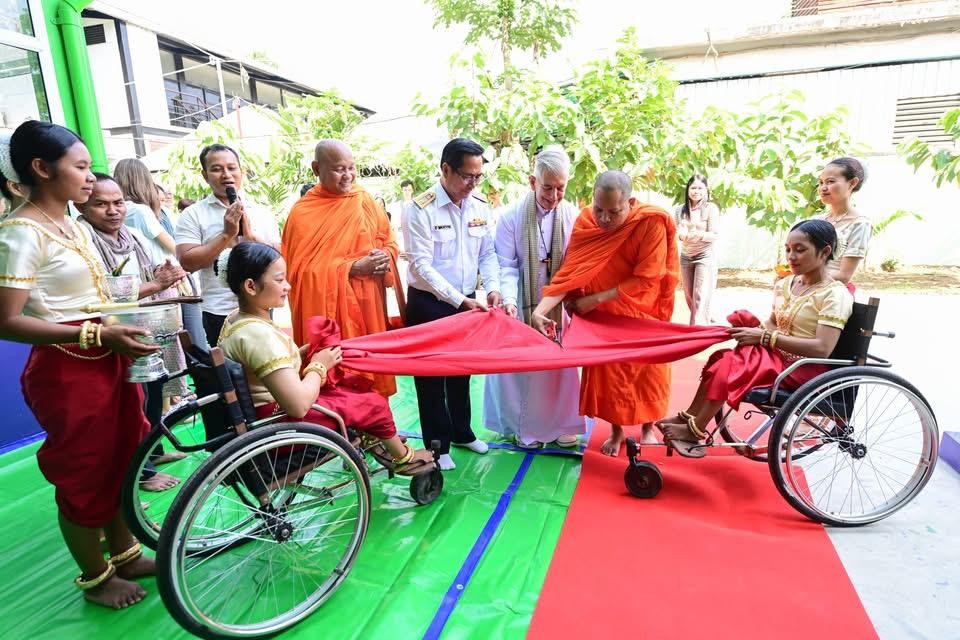
The vision of dignity and self-sufficiency also guides other Church projects in Cambodia. From the Apostolic Prefecture of Battambang, Bishop Kike Figaredo, SJ, supports a workshop where people with disabilities, many of them survivors of landmines, produce Mekong wheelchairs.
The wheelchairs create the possibility for children and adults with disabilities to attend school, participate in the life of the Church and their communities, and access dignified work. In this way, this project not only responds to a material need, but also helps restore hope, strengthen community bonds, and promote genuine social inclusion.
Additionally, with wooden frames and three wheels, these wheelchairs have been adapted to the conditions of rural areas. And, since they are built by the beneficiaries themselves, mere assistance becomes a great opportunity for work, participation, and autonomy.
Separately and together, these pastoral projects have created an expression of concrete charity in which aid is transformed into education, training, work, autonomy, and participation. They model the accompaniment of vulnerable persons by recognizing their dignity, their abilities, and their right to build a future with others, as Pope Leo XIV urged in the Apostolic Exhoration Dilexi Te.


