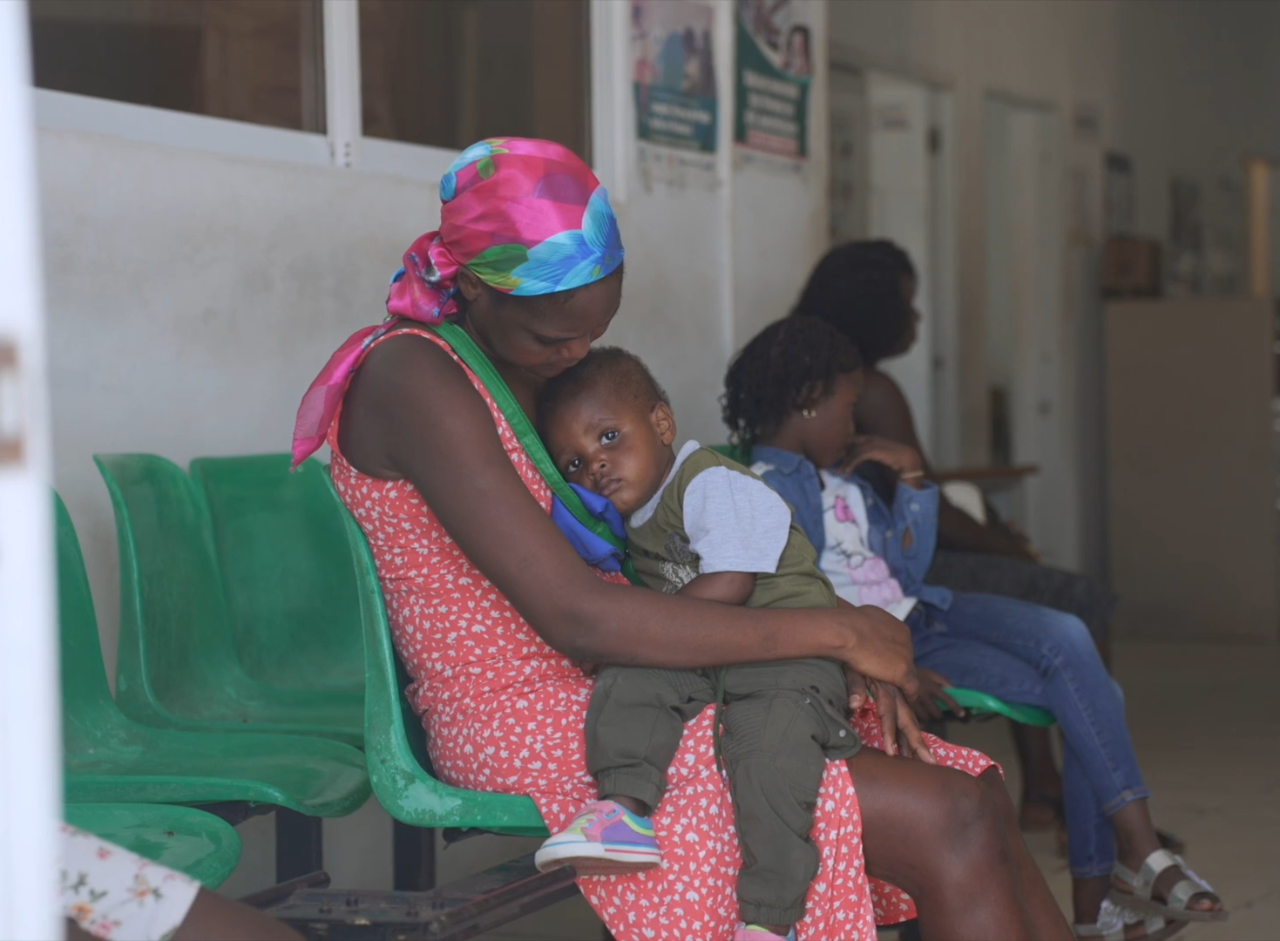
Over the past several years, Haiti has become one of the most challenging and insecure places in the world. The proliferation of armed groups, limited governance and public services, and high prices of fuel and basic necessities have disproportionately impacted poor and marginalized individuals and families, who face poverty, insecurity and lack of social services such as health care and education.
In the face of these immense challenges, a group of health care workers and managers came together in partnership with the Catholic Church to achieve a remarkable feat: they protected the health of hundreds of thousands of people by dramatically improving water, sanitation and health (WASH) in eight health care facilities located across eight dioceses in Haiti.
Those health care facilities were selected by the Haitian Catholic Church, following a circular letter issued in August 2020 by the Dicastery for Promoting Integral Human Development to all Catholic Bishops’ Conferences, inviting them to “identify those Catholic health care facilities” that do not have adequate WASH systems, to “welcome and support eventual WASH assessments or surveys”, to publicly promote WASH issues in the health sector, to help fundraise, and to contact the Dicastery about both “progress and need to access help”.
The Haitian health care facilities became part of a larger initiative to assess and improve WASH in Catholic health care facilities across 23 countries. This effort was promoted by the Dicastery for Promoting Integral Human Development in partnership with several organizations including members of the Caritas Confederation, the Global Water 2020 initiative, and religious congregations.
With funding provided by a generous donor, plans began to improve WASH conditions in the 10 facilities initially identified in Haiti, one in each of the country’s dioceses. Cognizant of the extreme insecurity and complex administrative and logistical constraints, all stakeholders agreed that such project required careful and tailored accompaniment.
In late 2021, procedural and institutional agreements were finalized and an ad hoc board was set up to accompany the project design, implementation, monitoring and reporting. The board began meeting in early 2020 and concluded its work in early 2026. This board was convened and chaired by the Dicastery with the participation of Caritas Haiti, the Haitian Bishops’ Conference, the Apostolic Nunciature, Caritas Internationalis, and Catholic Relief Services.
The latter provided technical assistance to Caritas Haiti for cost estimates and the design and execution of WASH improvements. This board has been a space for exchange, guidance and learning, especially when insecurity and price volatility influenced the planned pace of the activities.
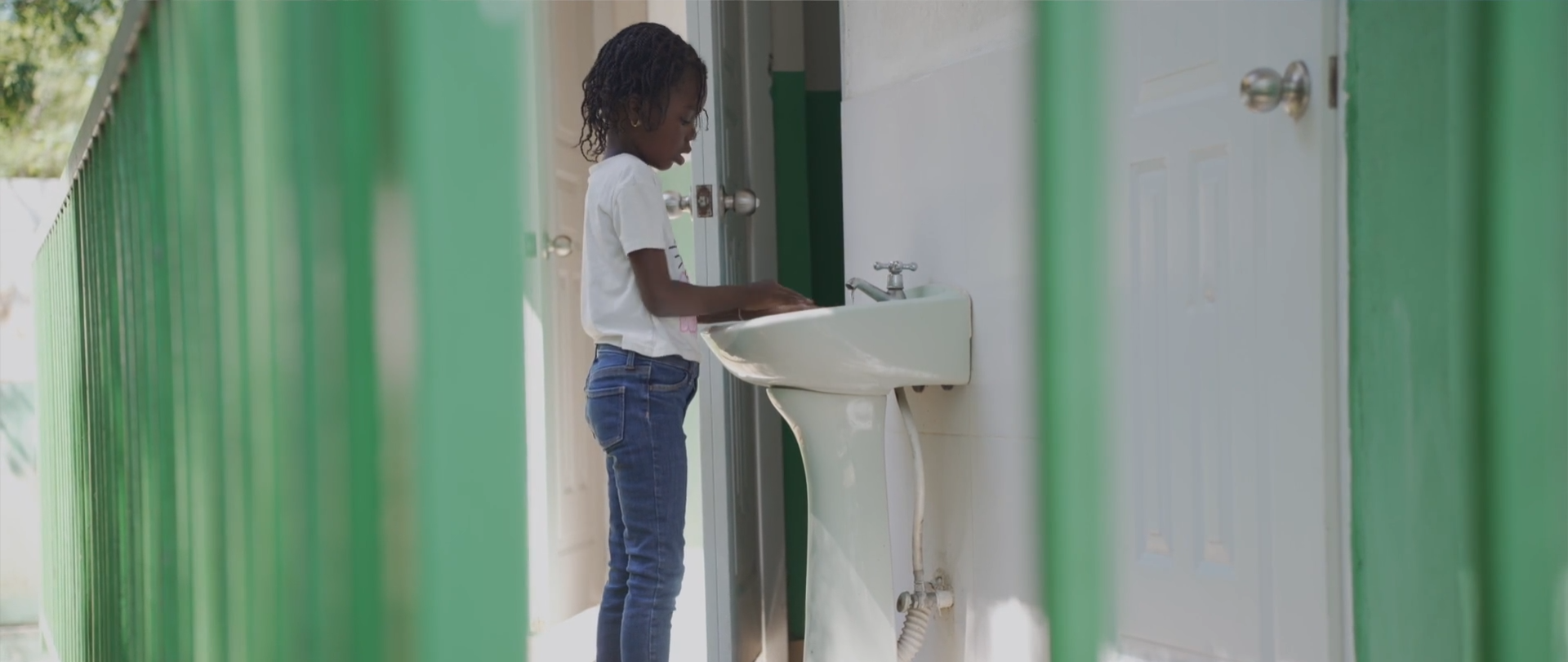
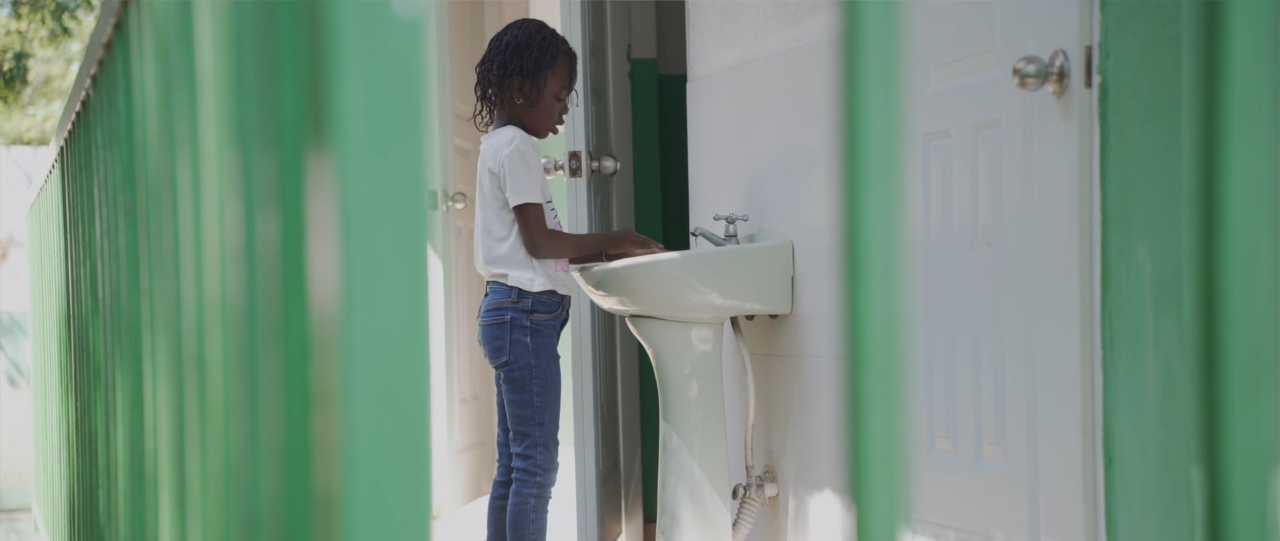
Despite the expected difficulties and new challenges that emerged in the course of implementation, between April 2022 and August 2023 water systems were installed where none existed before, incinerators and waste pits were constructed for safe disposal of medical waste, hand-washing stations were set up to improve hygiene and protect patients and health care workers, clean and dignified sanitation facilities segregated by sex were built (often in place of previous ones in very poor condition), and patients and health workers were oriented and trained in hygiene practices. While the construction work was completed in 2023, the board continued to meet until early 2026 to support monitoring, reporting and auditing, which proved to be time consuming.
As a result of this work, the over 230,000 people covered by these health facilities are safer with higher quality health care, reduced risk of infections and more dignified services. During the period this work took place, Haiti faced a deadly resurgence in cholera. The improved WASH in these health facilities helped protect patients and health care workers from cholera and other infections during this hazardous time.
The table below presents the health facilities initially involved. The planned work has not been completed at the two facilities marked with an asterisk due to security and legal issues.