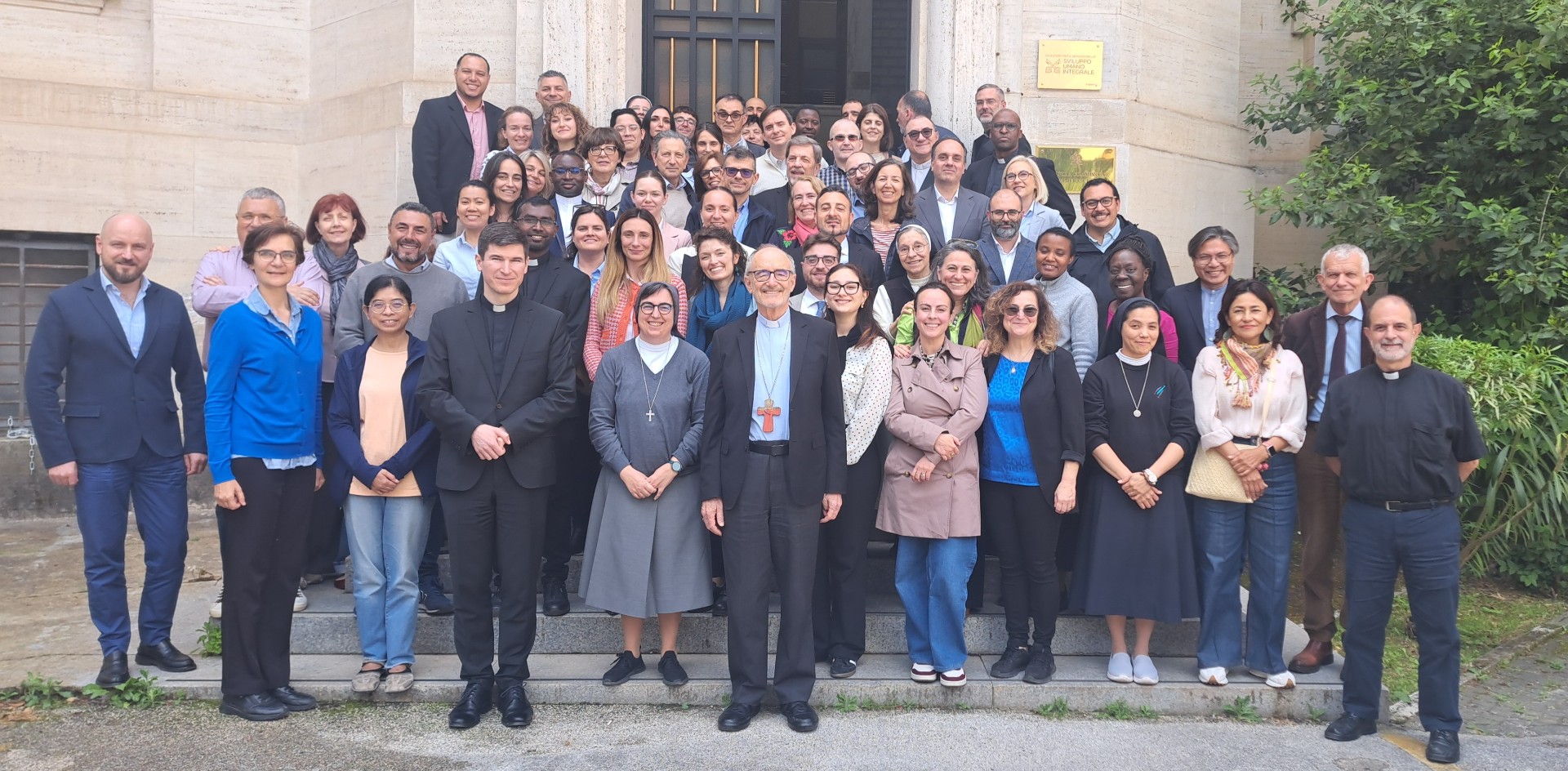
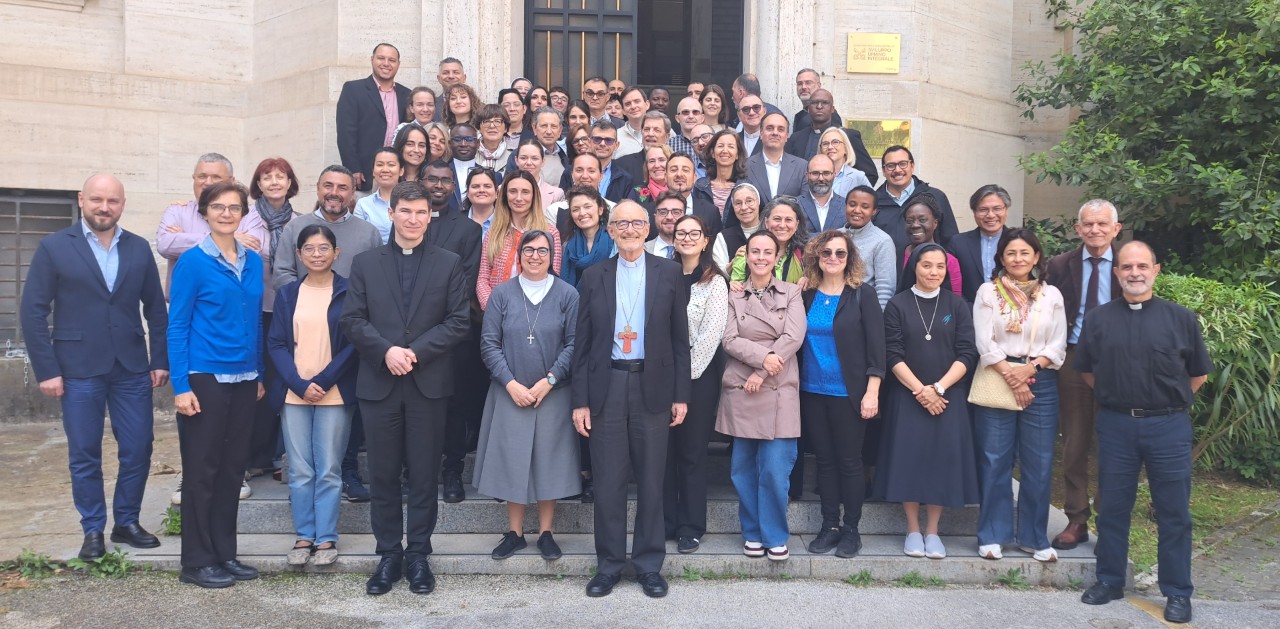
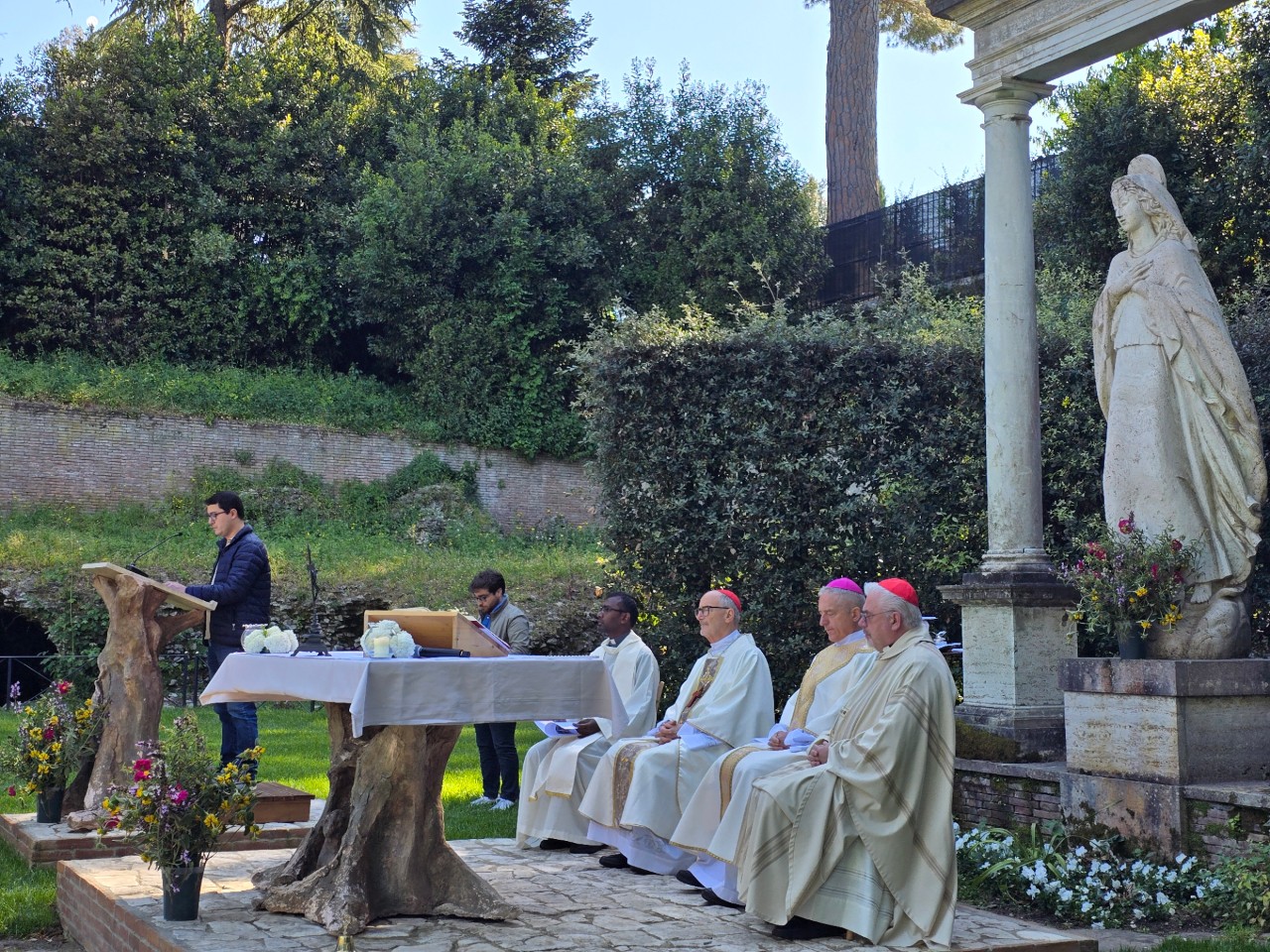
It was a week dedicated to fraternity and sharing. From 23 to 30 April, the staff of the Dicastery for Promoting Integral Human Development (DPIHD) spent an ‘intensive week’ together within the walls of Palazzo San Calisto and beyond. It was an opportunity to meet, to take stock of their work, to share experiences, and to plan for the future, including with colleagues operating in distant countries: Hawaii, the Philippines, the USA, Argentina, Bolivia, Portugal, and Algeria.
The week began with a general assembly led by the Superiors of the Dicastery, recalling the progress made over the past year, including the challenges faced and the goals achieved. The Prefect, Cardinal Michael Czerny SJ, recalled that the Dicastery’s mission is “to assist the Holy Father and the Bishops in promoting integral human development”, emphasising that for the Church “integral human development is the full development of a person in all his or her dimensions”. In light of this, the work of the DSSUI aims to help remove obstacles to integral human development by working and hoping together with those whom the world has cast aside but whom God has chosen.
The days were marked by numerous meetings between the Sections of the Dicastery working in various fields: administration, secretariat, listening and dialogue, research and reflection, communication and feedback. Colleagues exchanged views, shared about the work carried out, and jointly assessed new operational strategies to make future work more efficient.
With this in mind, Sr. Alessandra Smerilli, Secretary of the DPIHD, introduced a new phase of a process launched in 2024 regarding an ‘internal communication’ project led by a consultant: a process designed to improve the modus operandi in the way information is shared because, as Sr. Smerilli put it, effective relationships are essential for carrying out daily tasks to the best of our ability. The officials expressed their own views with openness and professionalism, proposing possible solutions for more streamlined and comprehensive communication in the future.
Cardinal Fabio Baggio CS, Undersecretary, then led a session dedicated to another key process initiated by the Dicastery: establishing pathways for supporting local Churches that have yielded pastoral fruits. Concrete examples include a number of meetings with border Bishops organised by local groups in Canada and various parts of South America; with the assistance of the DPIHD, effective networks have been established capable of jointly addressing the challenges of the region.


