Sister Alessandra Smerilli is the new Prefect of the Dicastery for Promoting Integral Human Development
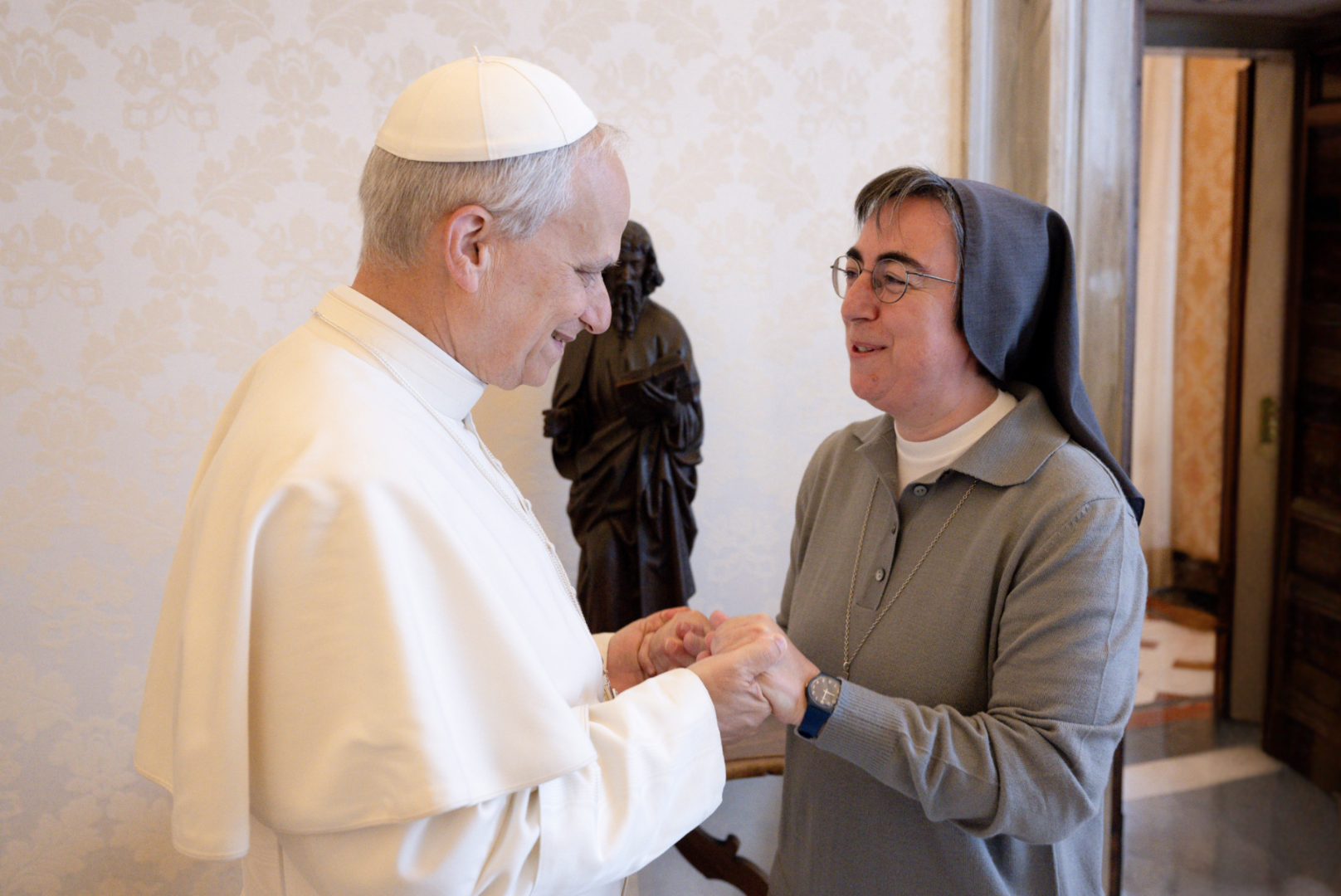
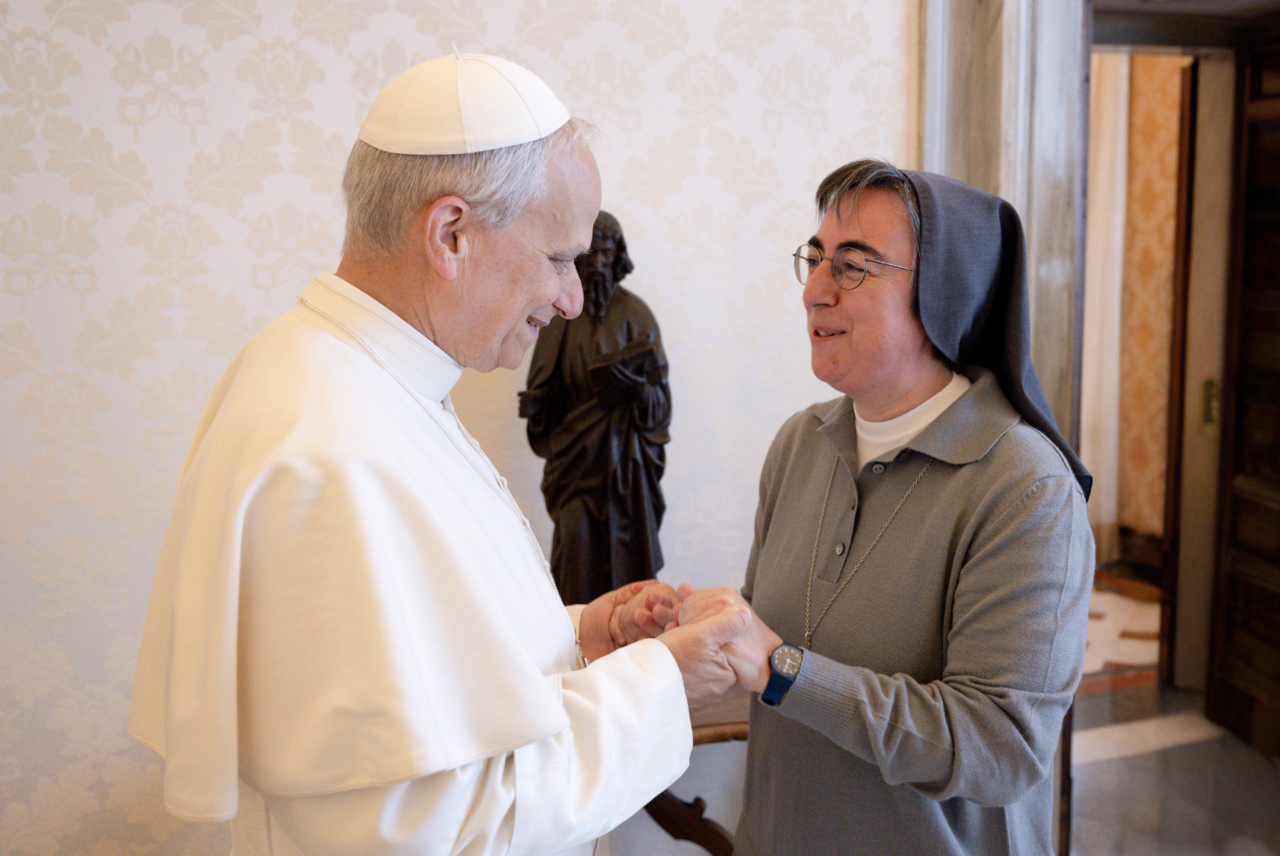
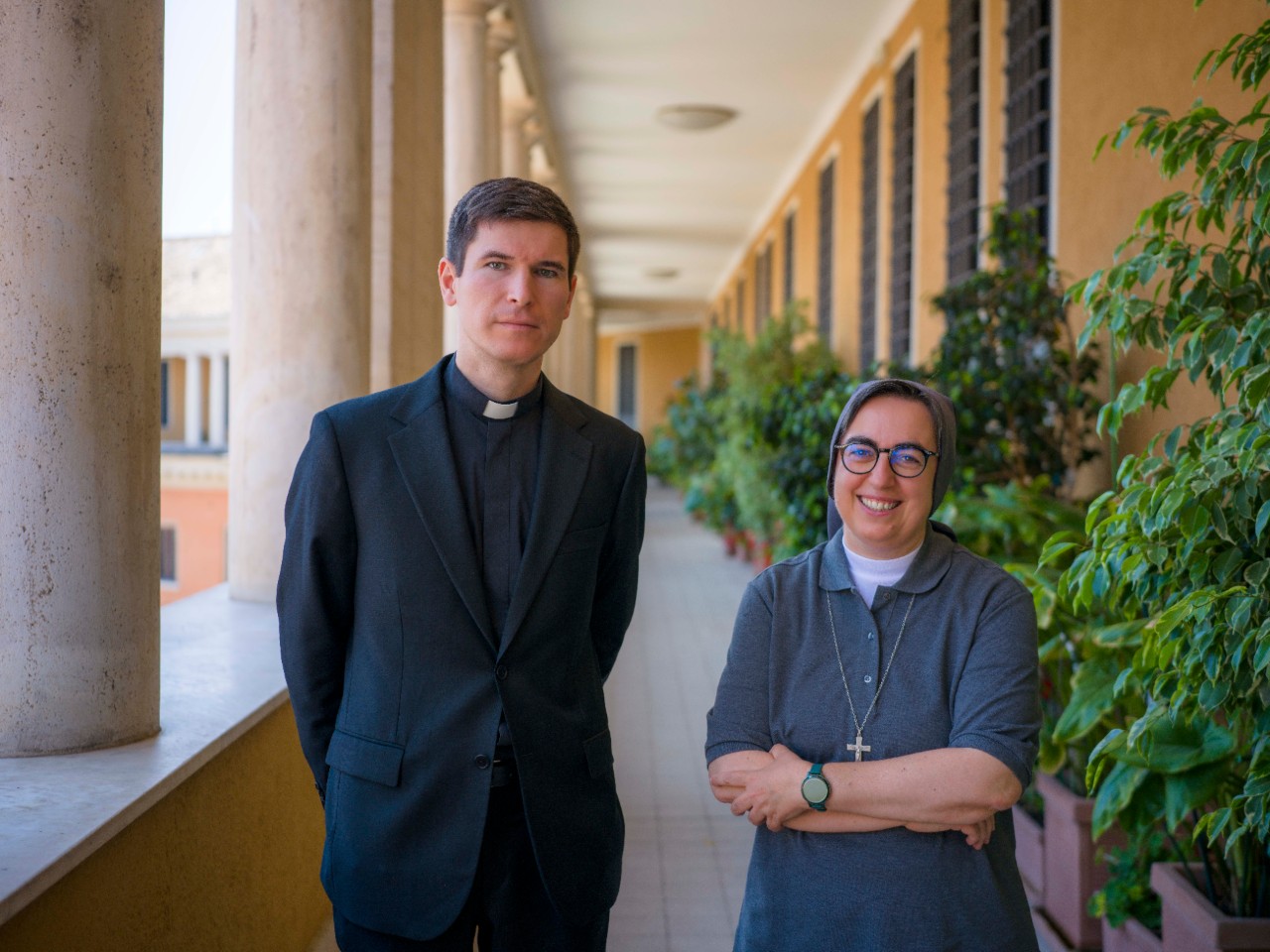
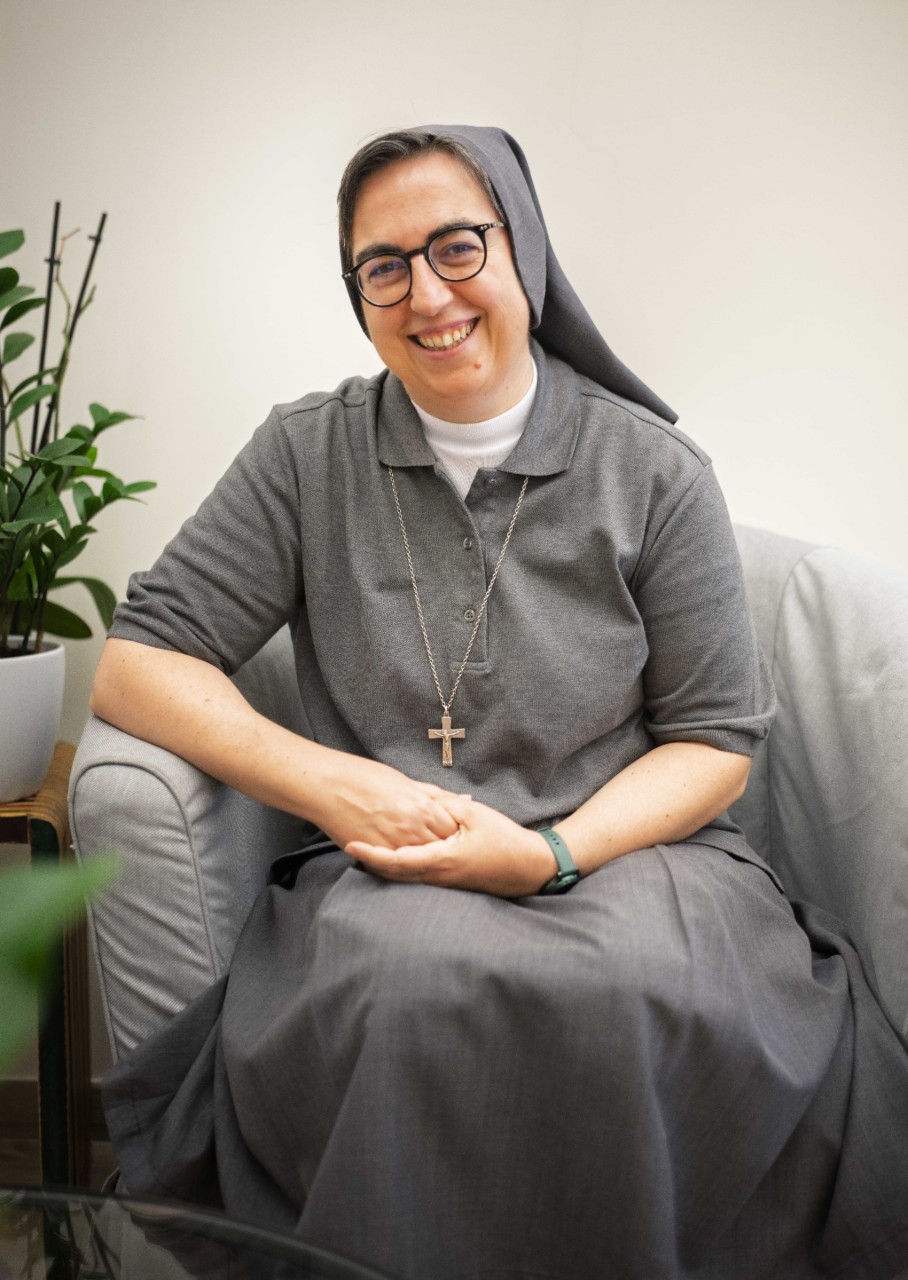
On June 30, 2026, Pope Leo XIV appointed Sister Alessandra Smerilli, F.M.A. - until now Secretary of the Dicastery for Promoting Integral Human Development (DPIHD) - as Prefect of the same Dicastery; the appointment will took effect on September 1, 2026.
Furthermore, the Holy Father named His Eminence Cardinal Fabio Baggio Pro-Prefect of DPIHD, with the special assignment of the Laudato Si’ Center for Higher Education, and Msgr. Jozef Barlaš, currently Undersecretary, as Secretary of the same Dicastery.
The Dicastery welcomes these appointments with joy, a sign of continuity and appreciation for the work done over the years. Cardinal Michael Czerny, S.J., who as Prefect has been guiding and accompanying the DPIHD in its process of restructuring since 2022, so that it would be increasingly at the service of the Local Churches and the Universal Church, affirmed: “Sister Alessandra’s appointment as Prefect of this Dicastery represents a recognition of her leadership. She combines the critical rigor of an economist with the Salesian spirituality of caring for young people and those most in need. Everyone appreciates her great willingness. She embodies a truly inclusive approach, ensuring that no one is left behind.”
Moreover, the retiring Prefect underlined her crucial contribution to the Dicastery’s life, first as coordinator of the Covid Commission and then from 2022 as Secretary – “a role comparable to that of CEO” – which helped to completely rethink and reorganize the structure.
Sister Alessandra thankfully received the new assignment: “I would like to express my deep gratitude to the Holy Father for the trust he accords me with this appointment. I welcome this service with joy and willingness, I am convinced that the Dicastery has a fundamental role in supporting the Church's evangelizing mission through listening, dialogue, and collaboration. I would also like to express sincere appreciation to Cardinal Michael Czerny, for the valuable work done in recent years at the helm of the Dicastery, and for the availability and witness with which he has been able to accompany this journey. I entrust this new assignment to Mary, so that she may guide me to live it with faithfulness, humility and a spirit of service”
Sister Alessandra Smerilli, who took on the role of Prefect of the Dicastery on September 1st, said of the new Pro-Prefect: “He is a true missionary, animated by zeal and dedication and a deep desire to the promote the dignity and accompaniment of migrants throughout the world, while also committed to concretely implementing and championing Laudato Si’.” Indeed, as Pro-Prefect, Card. Fabio Baggio has ‘the special assignment' of the Laudato Si’ Center for Higher Education as part of the implementation of the Borgo Laudato Si' project.
Regarding Monsignor Jozef Barlaš’ appointment as new Secretary of the Dicastery, with whom she has worked daily over the last seven months, Sister Alessandra added: “He brings with him a solid expertise in canon law and five years of direct experience at the Secretariat of State. He puts all his care and expertise at the service of the Dicastery, with dedication, diligence and passion, and a keen sense of management.”
The Mission of the Dicastery for Promoting Integral Human Development
The Dicastery for Promoting Integral Human Development (DPIHD) was founded in 2017, when Pope Francis established it by merging four previous Pontifical Councils with the Motu Proprio Humanam Progressionem: the Pontifical Council for Justice and Peace, the Pontifical Council Cor Unum, the Pontifical Council for the Pastoral Care of Migrants and Itinerant People, and the Pontifical Council for Health Care Workers.
The Catholic Church teaches that human flourishing concerns the person in one’s totality: physical, psychological, spiritual, cultural and social. To be integral and fully human, such development must take into account the whole person, with all its dimensions, as well as the particular community to which one belongs and the entire human family, since human beings do not thrive in isolation.
The Dicastery supports the particular Churches, Episcopal Conferences, Bishops, the Holy Father and the Curia in these areas, ensuring that no one is excluded. It furthers and disseminates the social doctrine of the Church on integral human development, reading in the light of the Gospel the needs of humanity of its time. With the Apostolic Constitution Praedicate Evangelium of 2022, Pope Francis confirmed this profile, placing emphasis on the synodal and missionary dimension of the Dicastery's service.
The Dicastery’s mission embraces the priorities of Leo XIV pontificate. The first magisterial document of his pontificate was in fact the apostolic exhortation Dilexi te (4 October 2025), a text that places the poor at the centre and which identifies the lack of equity as the root of social ills, obstacles to integral human development.
Further strengthening this continuity came Pope Leo XIV's first Encyclical Magnifica Humanitas (May 15, 2026), dedicated to the safeguarding of the human person in the time of artificial intelligence. The document explicitly fits into the magisterium on integral human development: it recalls the principle of the common good, the universal destination of goods, subsidiarity, solidarity and social justice, and traces the evolution of the Church's social doctrine from Leo XIII to integral human development as a criterion of “verification” for the Church itself.
Even in the face of the new challenges of transhumanism and digital power, the dignity of the person and its integral promotion remain the heart of the magisterium of Pope Leo XIV, the same heart that guides the Dicastery's daily action: “promoting the development of the whole person, of all people”.
Developments of the Dicastery
In recent years, the Dicastery has gradually consolidated its activity on an operational level and in a shared working style. Under the guidance of the Card. Michael Czerny, SJ, Prefect since 2022, and with the contribution of Card. Fabio Baggio, CS, the Secretary Sister Alessandra Smerilli, FMA, and, more recently, Msgr. Jozef Barlaš, the Dicastery has developed working methods based on listening, discernment, and dialogue with local Churches.
This approach is reflected in the internal organization, divided into three programmatic sections (Listening and Dialogue; Research and Reflection; Communication and Restitution), aimed at more effectively supporting service to particular Churches and the universal Church.
The Dicastery’s work is part of the broader task of the Roman Curia to serve communion in the Church, in charity and in truth, according to the indications of the Magisterium.
Within such framework, the Dicastery's work has developed in constant dialogue with ecclesial realities and the peripheries of the world, within the scope of the responsibilities entrusted to it, walking alongside the least fortunate, recognizing in them the face of Jesus and working with them to remove obstacles to the development of the whole person and all people.