WEBINAR SERIES
From Conflict to the Recovery of Identity
The first session, scheduled for Tuesday, 17 November at 4:30 p.m., will address the reintegration of children associated with armed groups. The discussion will be led by Sister Rhyta Moussounda Kimani Bed’Estelle, CP, a member of the Passionist Sisters, who will illustrate the physical, psychological and social consequences of children’s involvement in armed conflicts.
The religious sister will pay particular attention to the loss of personal identity, often marked by the replacement of a child’s name with a war name, and to the importance of reintegration programmes that can restore dignity, a sense of belonging and prospects for the future.
Dr Christine Jeangey, an official of the DPIHD, will also take part in the session.
LINK ZOOM
Integration Begins with a Warm Welcome
On Thursday, 19 November at 3:00 p.m., Sister Maria Mercedes Guaita, a Missionary of the Risen Christ, will introduce the topic From Welcome to Encounter. The reflection will draw on a pastoral experience developed near Rome’s Termini railway station, where young migrants, asylum seekers and young Italians had the opportunity to get to know one another through educational, cultural and recreational activities.
This initiatives promotes an approach to integration which goes beyond mere assistance. Rather than simply providing services, the aim is to build relationships based on mutual exchange, in which both newcomers and the host community can grow and be transformed.
Fr Paolo Parise, CS, an official of the Dicastery, will also take part in the session.
LINK ZOOM
Caring Means Building Communities
The third session, scheduled for Thursday, 3 December at 4:00 p.m., will focus on the Culture of Care and will feature Sister Cyntia Mabel Nuñez Da Silveira Colmán, a religious sister from Paraguay belonging to the Redemptorist family. The reflection will begin with a fundamental question: how can individual acts of assistance be transformed into a genuine Culture of Care? Drawing on Catholic Social Teaching and the pastoral experience of Latin America, the session will explore the various dimensions of integral human care, considering not only immediate needs but also the social, economic and community conditions necessary for a life of dignity.
The issues addressed will include protecting vulnerable people, preventing abuse, active listening and promoting shared responsibility, with a view to making care an integral part of human relationships and institutional life.
Dr Elaine da Silva, an official of the DPIHD will also take part in the session.
LINK ZOOM
Peace is Built in Communities
The programme will conclude on Thursday, 10 December at 4:00 p.m., with Sister Marie Béatrice Ntakamurenga of the Institute of the Sisters Bene-Tereziya in Burundi, who will offer a reflection on building peace and reconciliation through a community-based approach.
Drawing on experiences gained in Africa and Latin America, the religious sister will highlight the role of local communities in rebuilding relationships in the aftermath of conflicts. Her contribution will highlight how peace cannot be reduced to the cessation of violence or the signing of political agreements, but requires dialogue, recognition of the harm suffered, the rebuilding of trust and the participation of the communities affected. She will also highlight the role of women, young people and religious communities in processes of reconciliation.
Dr Christine Jeangey, an official of the DPIHD, will also take part in the session.
LINK ZOOM
The Contribution of Women Religious to Integral Human Development
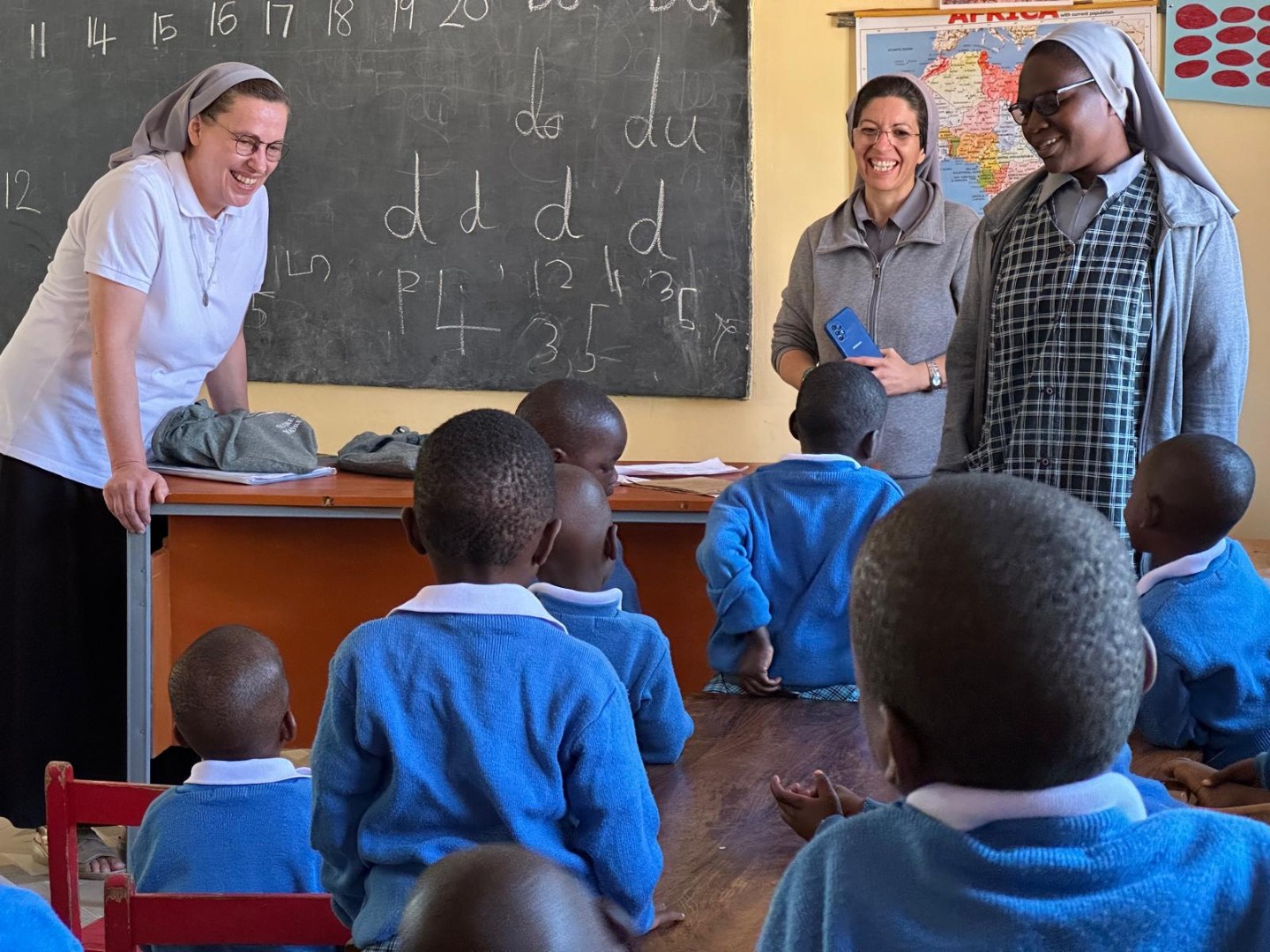
Although addressing different realities, the four sessions of the Sisters’ Project 2026 share a common perspective: recognising the dignity of every person and promoting responses that go beyond emergency situations.
From supporting children affected by war to fostering connections among young people from different cultures, from promoting a culture of care to rebuilding peaceful coexistence in communities affected by conflict, the project highlights the contribution of women religious to integral human development. A mission lived out every day through listening, closeness and a commitment to building a more fraternal society.