

Rediscovering the “fervent Christian witness” of “such an intrepid disciple of the Gospel and generous pastor whose example is rich with timeliness, because it recalls that Christian hope is born from the encounter with Christ and takes shape in a life given to God and one’s neighbor.”
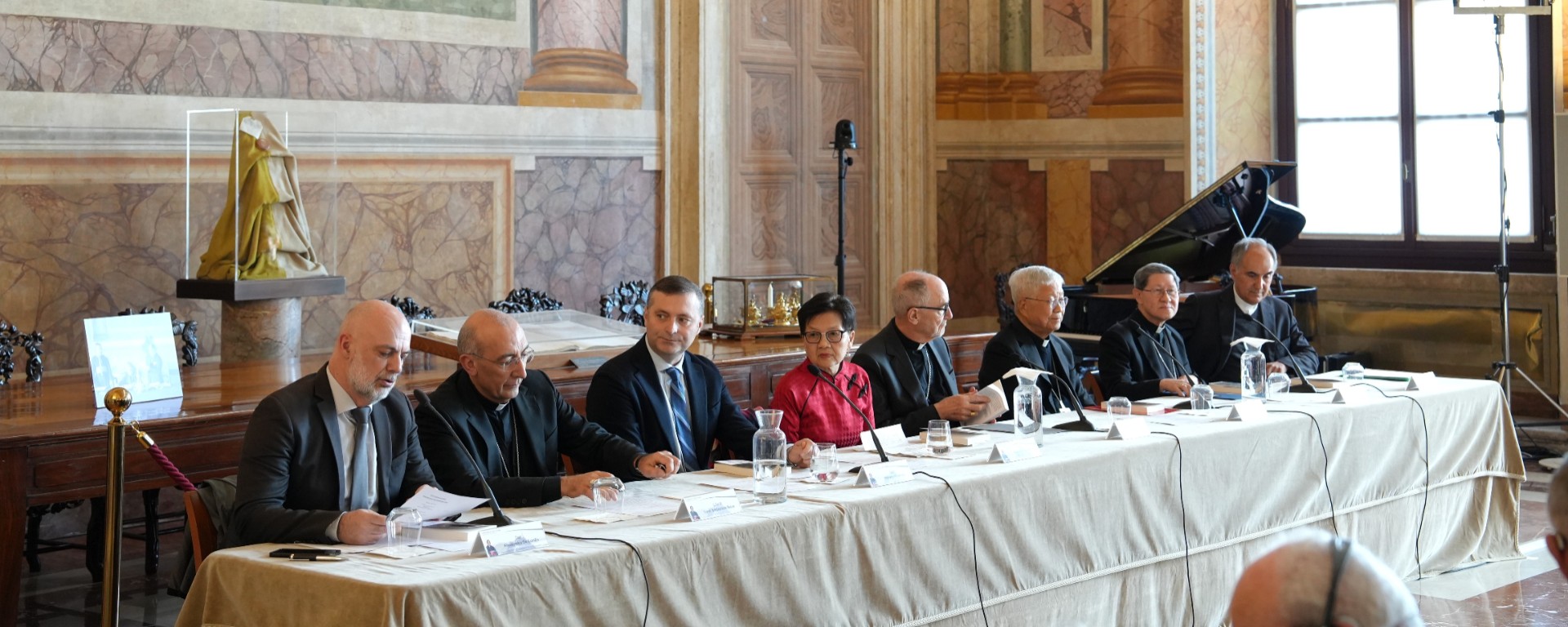
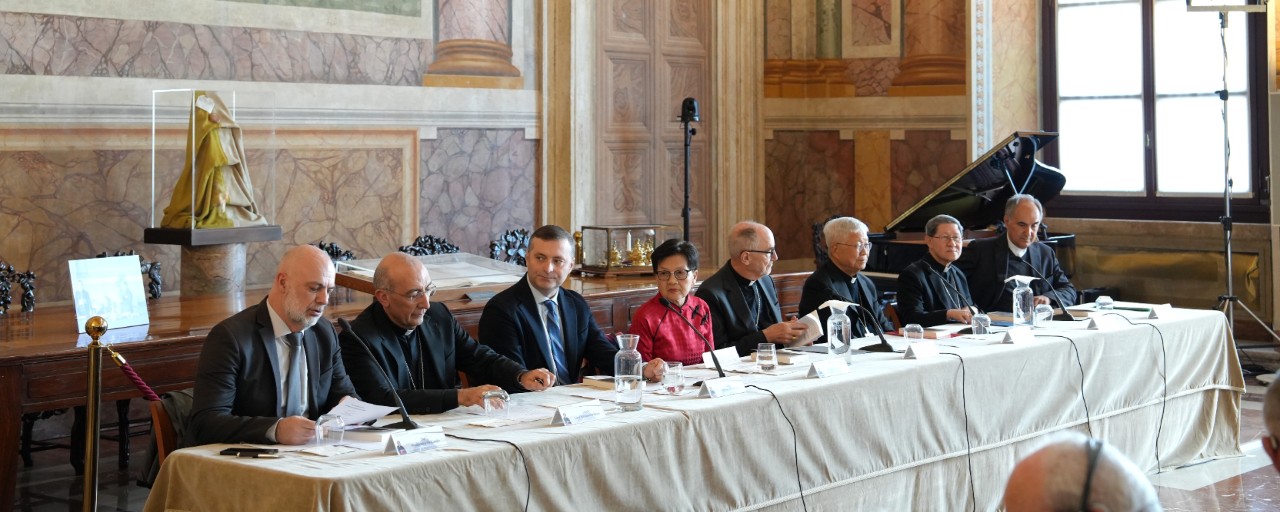
This is the greeting of Pope Leo XIV, in the Message signed by the Cardinal Secretary of State, Pietro Parolin, to participants of the Conference “François Xavier Nguyễn Văn Thuận, Witness of Hope,” which took place at the Lateran Apostolic Palace on 25 March 2026, promoted by the Cause of Beatification of Cardinal Văn Thuận and the Dicastery for Promoting Integral Human Development, and in collaboration with the Dicastery for the Clergy, the Città Nova Publishing House, and the Diocese of Rome.
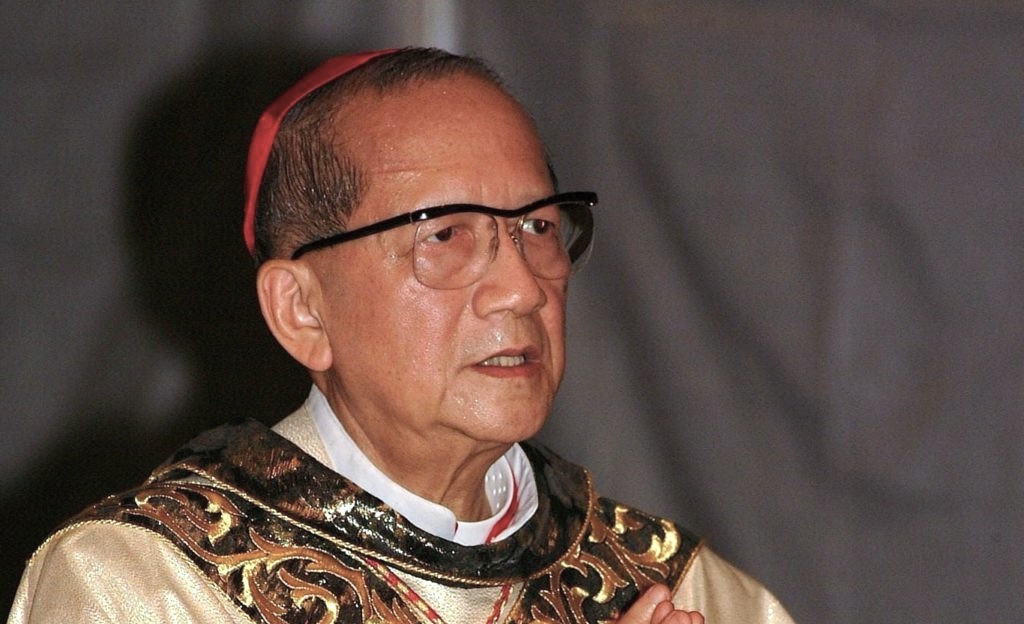
An event envisioned to celebrate the 50th anniversary of the publication of the 1001 thoughts sent by the then Archbishop Văn Thuận to his faithful, during the long years of his detention in prison because of his faith: a collection of reflections, advice, encouragement, then collected in the volume The Way of Hope, considered the “spiritual testament” of the Vietnamese cardinal, declared Venerable by Pope Francis.
With his message – read to those present by Sr. Alessandra Smerilli, Secretary for the Dicastery for Promoting Integral Human Development – the Holy Father intended to turn the gaze of more people towards the human and spiritual journey of Cardinal Văn Thuận who, even in the experience of a long and painful imprisonment, in the total deprivation of isolation, in the loss of liberty and of his own mission, continued to believe in the merciful love of God, and so become a witness of hope. That hope that comes from the Risen Christ and knows how to overcome any darkness.
During his imprisionment – recounted the Postulator of the Cause of Beatification, Dr. Waldery Hilgeman – Archbishop Van Thuan “lives a decisive spiritual experience. Deprived of everything, he discovered that nothing could separate him from Christ,” and that if he cannot “do something for God,” he can still “be the presence of God,” being love in the midst of the others, in hunger, in the cold, in humiliation, and in injustice.


