
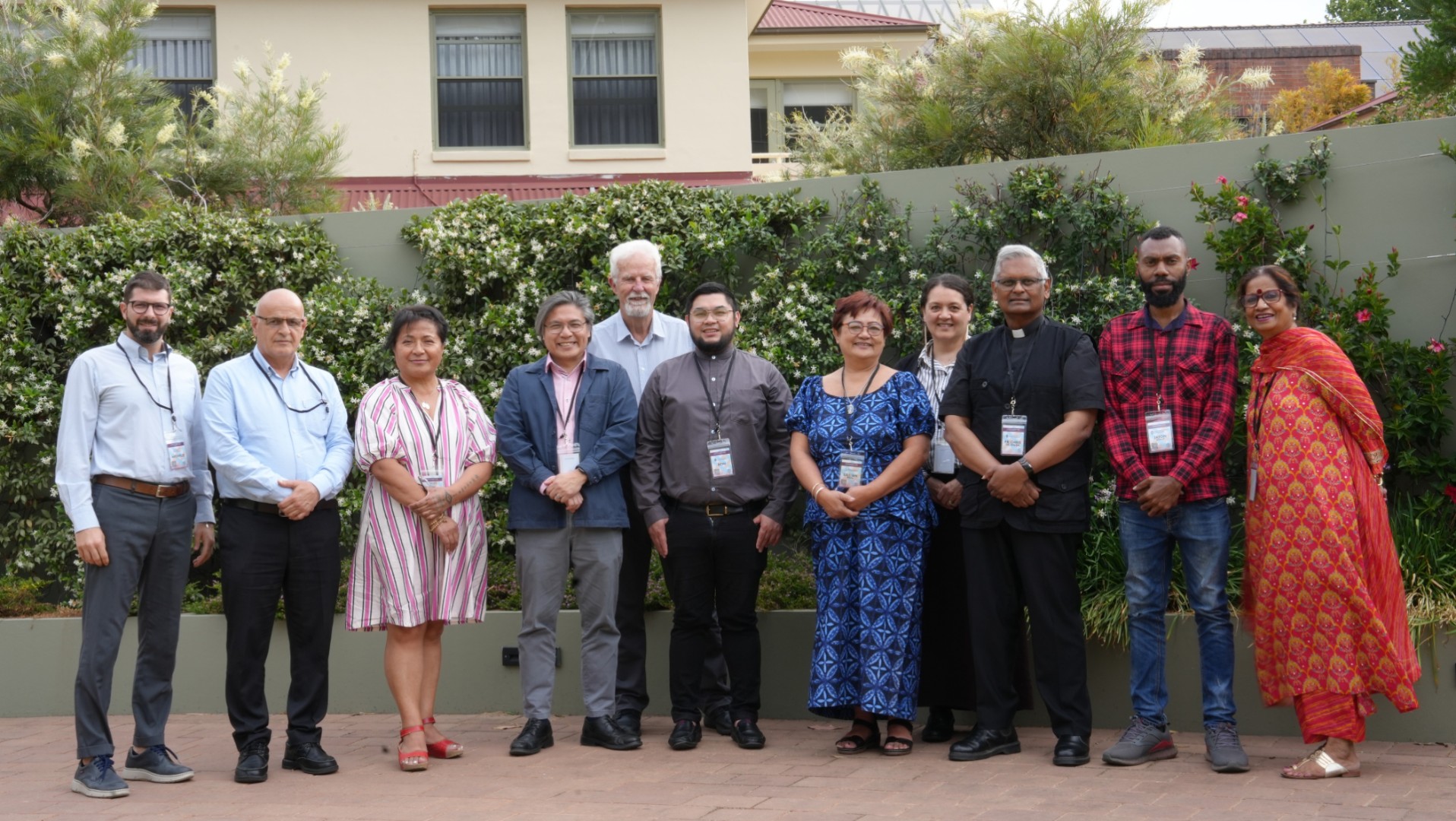
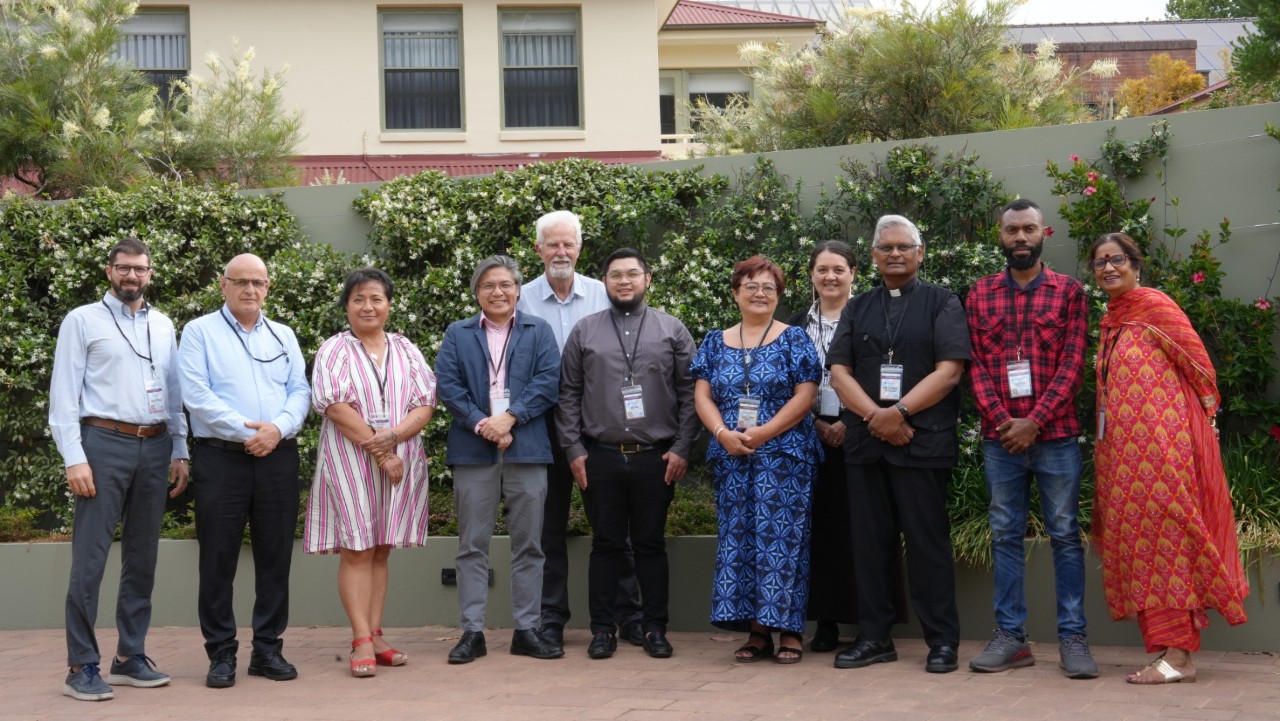
The first in-person meeting of the “Migrants and Refugees Oceania Network” took place last December in Sydney. This is a new regional network established to provide pastoral and practical support, as well as improved access to employment and healthcare, to thousands of migrant workers, refugees, climate-displaced persons and their families throughout the Pacific.
Announced by the President of the Federation of Catholic Bishops’ Conferences of Oceania (FCBCO), Bishop Anthony Randazzo, during the Synod in Rome, the Network is now starting to take shape.
The last meeting saw the participation of the Australian Catholic Migrant and Refugee Office (ACMRO), as well as Caritas New Zealand, the Episcopal Conference of the Pacific (CEPAC), the Migrants and Refugees Office of the Catholic Bishops’ Conference of Papua New Guinea and Solomon Islands, and the Vincentian Missionaries Refugee Network. Representatives of the Dicastery for Promoting Integral Human Development (DPIHD) and ICMC were also present.
During the event, three main challenges were identified: people displaced or affected by climate change; seasonal workers; and the difficult situation of refugees from West Papua and other people seeking refuge in Oceania.
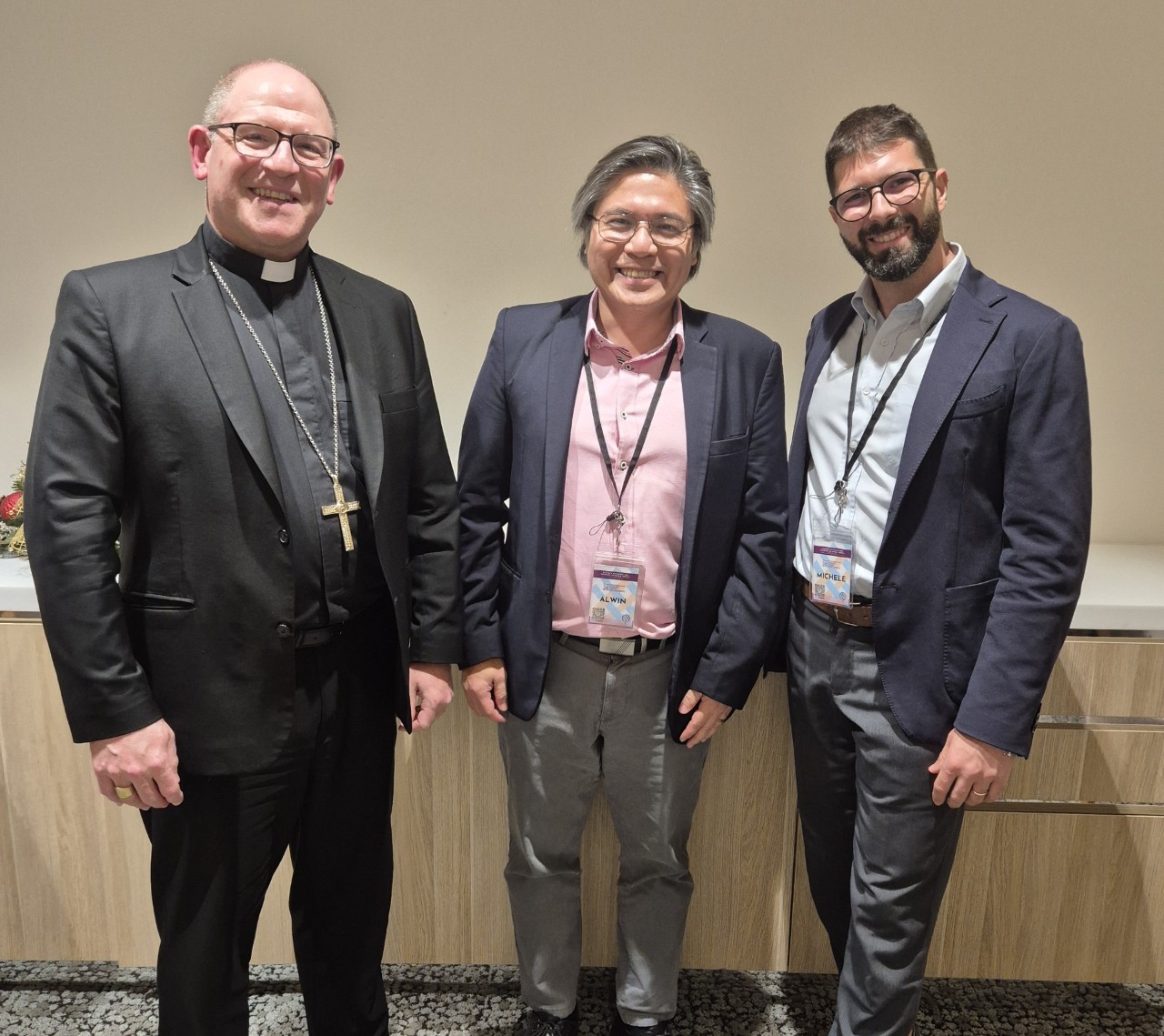
Arriving in Sydney to greet the key figures of the new network, Bishop Randazzo highlighted in his address the challenges of the present, while also explaining his vision for the future:
“We want Oceania to be a place where people who are displaced or vulnerable encounter, through us, the face of Christ. We want our Church to speak clearly and act courageously for justice, mercy, and the common good. And we want the Migrants and Refugees Oceania Network to be a catalyst that strengthens advocacy, cooperation, and connection across all our islands and nations.”
To read the FCBCO President's full speech, click here.
Ms Mena Antonio, President of Caritas New Zealand and Vice President of Caritas Internationalis, stated that his hope for the future of MRON “is to have a voice and truly amplify the voices of people living in island nations affected by climate change, environmental justice and economic injustice, and to bring this voice to the platforms we have access to, such as Caritas, but also as a network.”