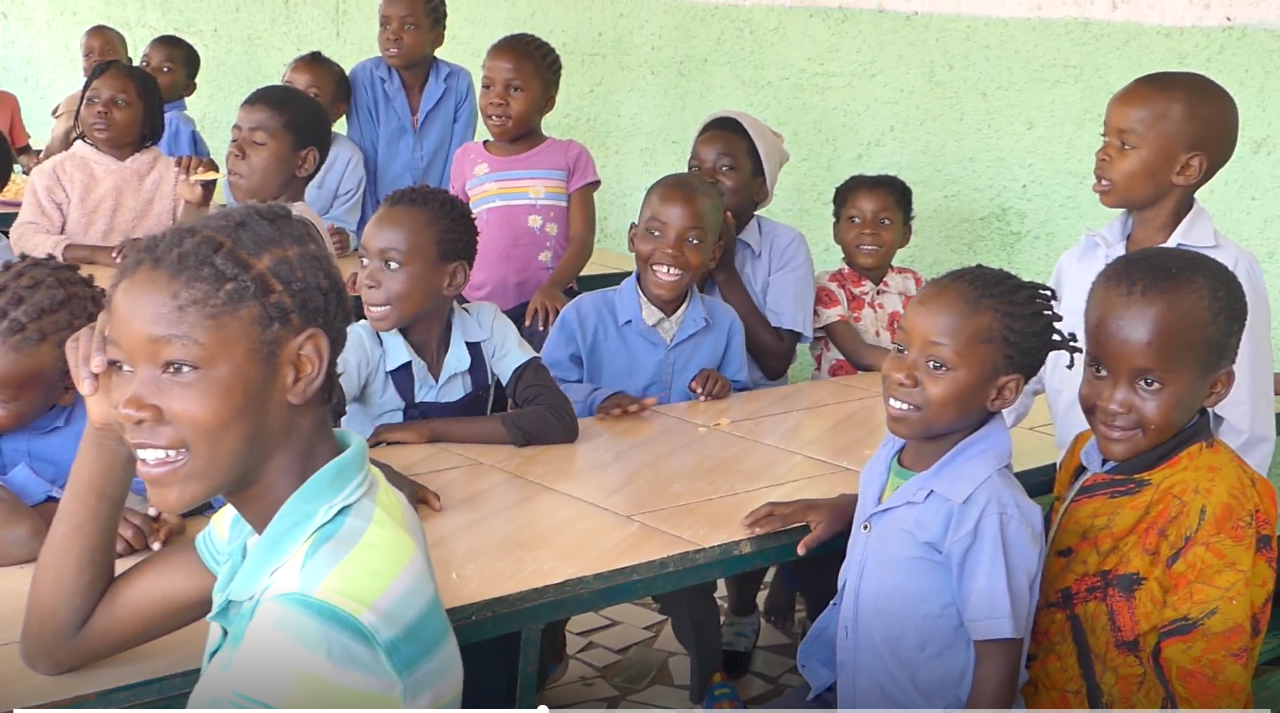
The Presence of the Church Among Migrants

Video tutorials featuring stories from local actors of the Catholic Church serving migrants and refugees

The Presence of the Church Among Migrants

The collaboration between the Dicastery for Promoting Integral Human Development and local churches has given rise to the project “The Presence of the Church Among Migrants,” with the desire to make their projects replicable in other places.

Through the stories of some projects for the reception and integration of migrants and refugees, the aim is to bear witness to the concrete commitment of local churches in accompanying these people in need. 

 At the same time, useful information is provided for those who wish to implement similar projects in their own areas, even in different parts of the world.

The format includes video tutorials consisting of interviews on two different projects, but with a common theme, told by those who work alongside migrants and refugees every day to ensure they have a dignified future. 

On the topic of “Best Practices in Places of Encounter,” two new videos are now available online, presenting two different projects aimed at promoting the integration of migrants and refugees into their respective local communities.

The first concerns Caritas Vitania in Bulgaria, where, from the very first arrivals of Ukrainian refugees, staff members together with volunteers from the diocesan community set up initial reception support, which very soon developed into integration-focused projects.

In her testimony, Tatyana Djumerkova, head of the Caritas Vitania Humanitarian and Placement Center, highlights the value of perseverance and trust in God’s plan, which have enabled the project to continue and grow, despite the countless difficulties encountered along the way.

The second video presents the “Fratelli” project in Lebanon, carried out by the schools of the Brothers of the Christian Schools and the Marist Brothers, which since 2015 have been providing education and holistic care to young migrants, refugees and Lebanese people.

In the interview, Brother Juan Carlos Fuertes, director of the Fratelli project in Lebanon, highlights how the effort to integrate people of all nationalities into the training programs has, in the long term, helped the local population to be more willing to welcome the refugee population.

Caritas Vitania, in Bulgaria

"Fratelli" project in Lebanon

The first video tutorial, released in December 2025 and available in five different languages, is entitled “Good Practices in Border Areas” and presents two projects. 

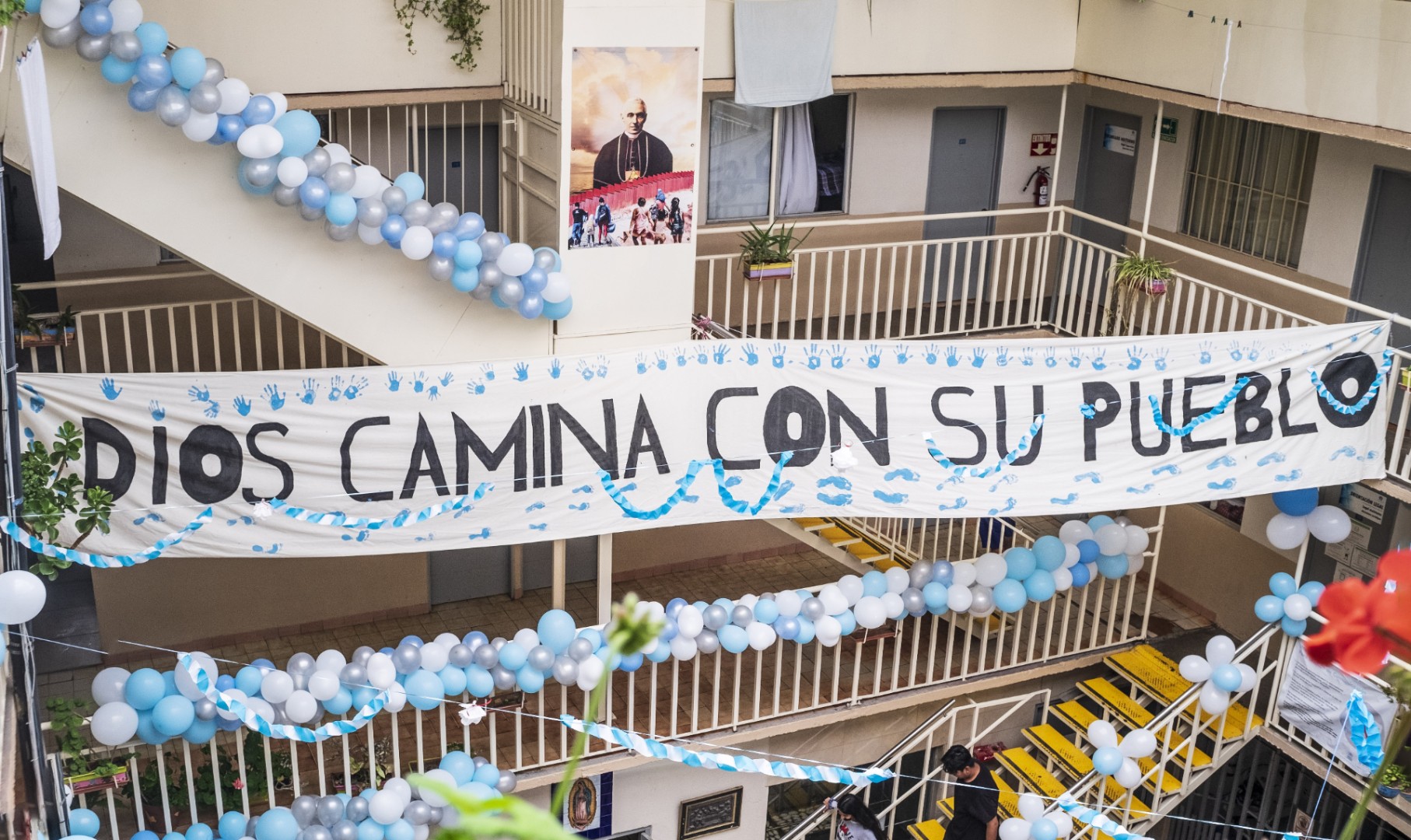
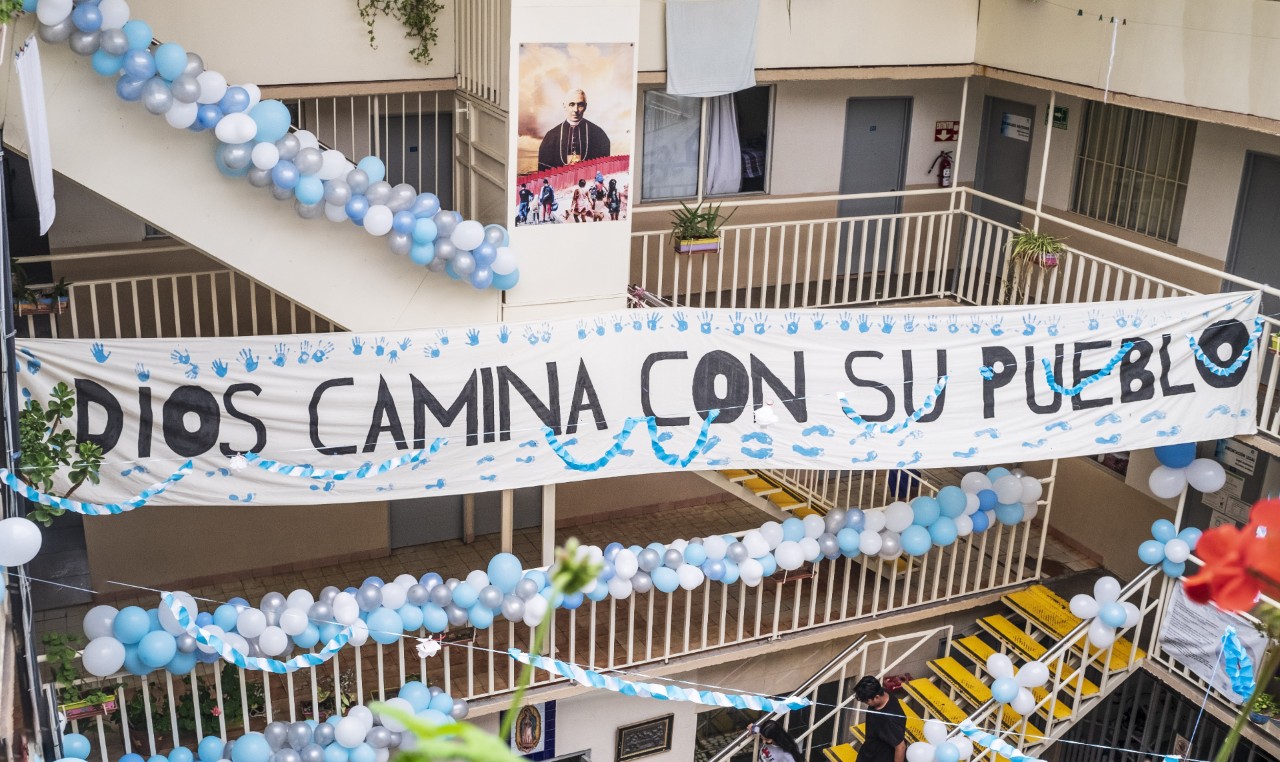
The first is the Casa del Migrante in Tijuana, Mexico, where for over 35 years the Scalabrinian Fathers have been welcoming migrants from the South who are trying to cross the border into the United States.

The second is the Giovanni Battista Scalabrini Center in Ressano Garcia, Mozambique. This project was launched in 1997 to welcome, support, and educate migrants heading to South Africa and returnees, especially children.

In their respective interviews, Father Patricio Murphy and Sister Rita de Cássia Luiz, who have directed their respective reception centers for many years, answer specific questions that highlight the history of the projects, from their inception to the present day, highlighting their strengths, but also the difficulties encountered and the solutions implemented to overcome them.

While Father Murphy emphasized the relevance of volunteers, calling them “the beating heart” of the Migrant House in Tijuana, Sister de Cássia Luiz highlighted the valuable support, financial and otherwise, of “people, organizations, institutions, and foundations that have helped and supported” the Ressano Garcia project. 

Caritas Bulgaria

"Fratelli" project - Lebanon

24 March 2026