

The Diocese of Soacha in Colombia promotes and sustains significant social works that, more than physical places, are living signs of the commitment of the Church to the most needy, spaces where faith is translated into concrete actions of service, welcoming, and accompaniment.
“From the ecclesial perspective, these works are based in the heart of the Social Doctrine of the Church and generate community, trust, and networks of solidarity where, many times, the State has not succeeded in arriving effectively,” indicated Fr. Ricardo Martínez González, responsible for social pastoral care in the Diocese of Soacha.
In statements for the Dicastery for Promoting Integral Human Development Fr. Ricardo explained that these initiatives ”are not only assistance, but rather places where human life is dignified” and reflect a key principle of the Latin-American Church that consists in “putting in the center persons in situations of exclusion (the historically poor, migrants, older adults without support networks, mothers needing shelter, at risk children and youth, etc.”)
In this line, Fr. Ricardo emphasized the social relevance of these pastoral centers because “beyond the ecclesial realm, the impact on society is profound.”
On the one hand, they call “attention to basic urgent needs: daily food for vulnerable populations; reception, reception and redirection to routes of support from the “Bethany House” and secure spaces for young people in contexts of violence such as Cazucá.” On the other hand, the “prevention of social problems” is promoted, as is the case of the “Oasis Juvenile Center” that contributes to “reducing the linking of young people to dynamics of violence or criminality and promotes education in values, leadership, and life planning.”
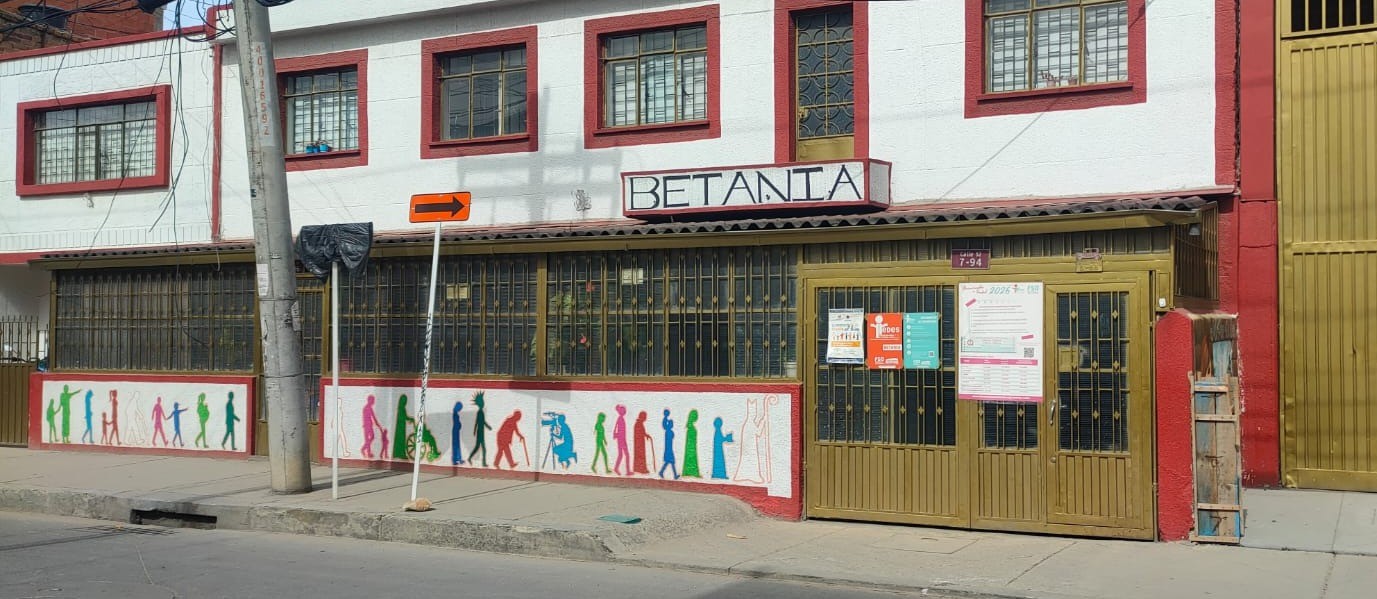
Bethany House
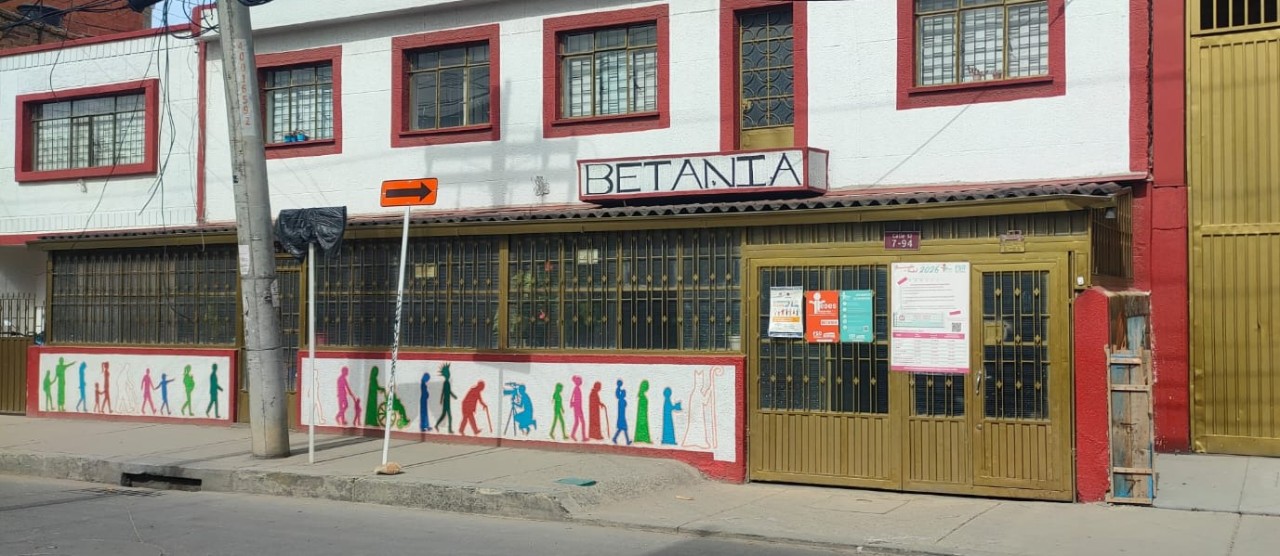
“Bethany House” is one of the most significant social works of the Diocese of Soacha, which was born as a concrete response to the suffering of so many families who, because of armed conflict and social crises, arrive at the municipality in vulnerable situations.
Since its creation in 2008, this space has been “a place of welcoming, hope and rebuilding lives.” In the beginning, it was a place that offered housing to displaced families, many of them without networks of support, coming from the various regions of the country, as well as foreigners.
Over time, Bethany House has evolved to offer integral attention and, in this way, respond to the multiple needs of the population, including the promotion of courses for pastoral agents and the orientation of the migrant population in juridical and social matters, as well as access to their fundamental rights.
Currently, the mission of Bethany House is expressed through the many services that seek to dignify people’s lives. Among these services is the community dining hall that offers food daily to children, older adults, pregnant mothers, and the migrant population, thanks to the commitment of volunteers who make this service possible.
The House also offers ecological formation based on the Encyclical Laudato si’ and provides initiatives of food security through community vegetable gardens in which each child has the task of caring for a space in the garden.
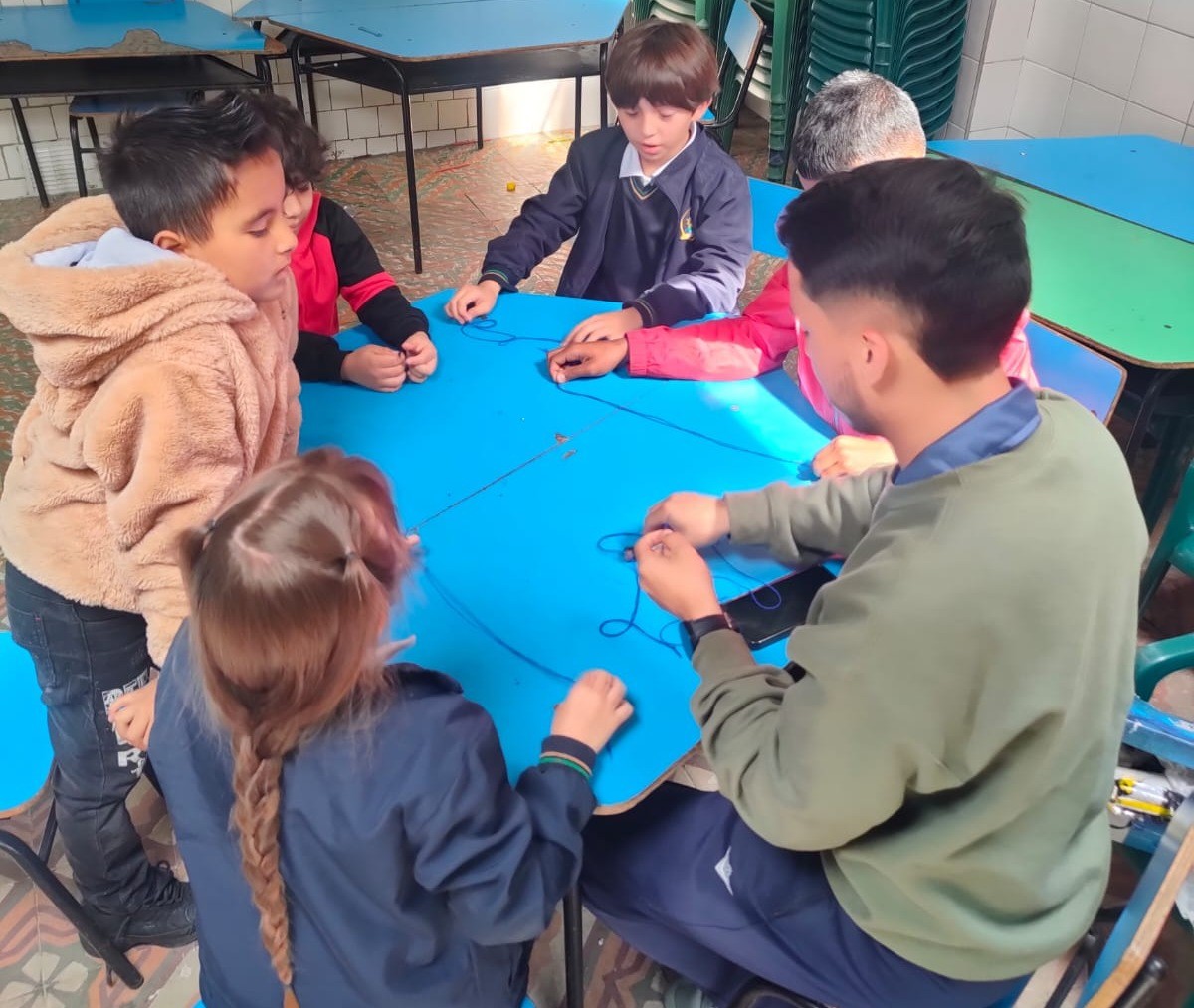
At the same time, the program NETWORKS has been converted into a space of protection and formation for boys, girls, and adolescents, offering academic accompaniment, psychosocial assistance, and formation in arts, sports, and values. This program represents a wager for the future, helping to address risky situations and promoting the integral development of minors.
The Oasis Juvenile Center
The “Oasis Juvenile Center” is an initiative of the Diocese of Soacha that was born as a hope-giving answer for boys, girls, and adolescents of the community, especially those who find themselves in contexts of vulnerability.
Since its creation in 2024, this space has consolidated as a place of meeting, formation, and integral growth, of human and spiritual development, which also has a chaplain who orients formative processes based on values, promoting an integral formation that positively impacts their lives.
There, around 80 children and youth participate in after-school education processes, where they receive academic assistance and develop abilities in areas such as art, music, and sports.
In 2025, the Center broadened its service with the opening of the Dining Hall of Francis. Thanks to this program, the children have improved significantly in their nutritional state, reflected in their growth and well-being. In addition, the “Dining Hall of Francis” not only feeds, but also evangelizes, accompanies, and forms, especially young people, integrating faith and social action.
Cardinal Michael Czerny visits pastoral centers in Soacha
Cardinal Michael Czerny, S.J., Prefect of the Dicastery for Promoting Integral Human Development, visited on 15 March 2026 several pastoral and social centers of the Diocese of Soacha.
Mons. Juan Carlos Barreto Barreto, Bishop of the Diocese of Soacha, said that the presence of Card. Czerny “filled them with deep joy” because it was “the second time he has visited us,” and added that on both occasions “he wanted to be present in the places of greatest vulnerability, giving messages of support to migrants, displaced persons, unemployed families in situations of social exclusion.”
“The presence of the Prefect of the Dicastery for Promoting Integral Human Development makes visible and concrete the perspectives of Pope Francis of being a Church that makes the periphery the center, as well as those of Pope Leo in the dynamic of love for the poor as a priority option in pastoral life,” added Mons. Juan Carlos Barreto.
During his visit, Cardinal Czerny went to The Oasis Juvenile Center, where he was received with cultural and artistic expressions led by children and young people. There, he came to know first hand the processes of academic and spiritual formation, as well as initiatives of community support, highlighting the project Communities of Faith Organized in Action (COFOA).
At Bethany House, the diocesan plans in favor of vulnerable populations were presented, emphasizing displaced families and migrants. In this place, the work of the community dining hall, the volunteer programs, and social accompaniment were highlighted. At the same time, Cardinal Czerny came to know of the experiences of integration through the urban vegetable gardens, conceived as a food security strategy and care of the “common home.”
The day concluded with the celebration of the Eucharist in the Cathedral Jesus Christ Our Peace, where the diocesan community and the migrant population participated together in a fraternal environment.


