Manifesto for an Integral Ecology:
a prophetic call from the Church in Brazil

Manifesto for an Integral Ecology: <br>a prophetic call from the Church in Brazil

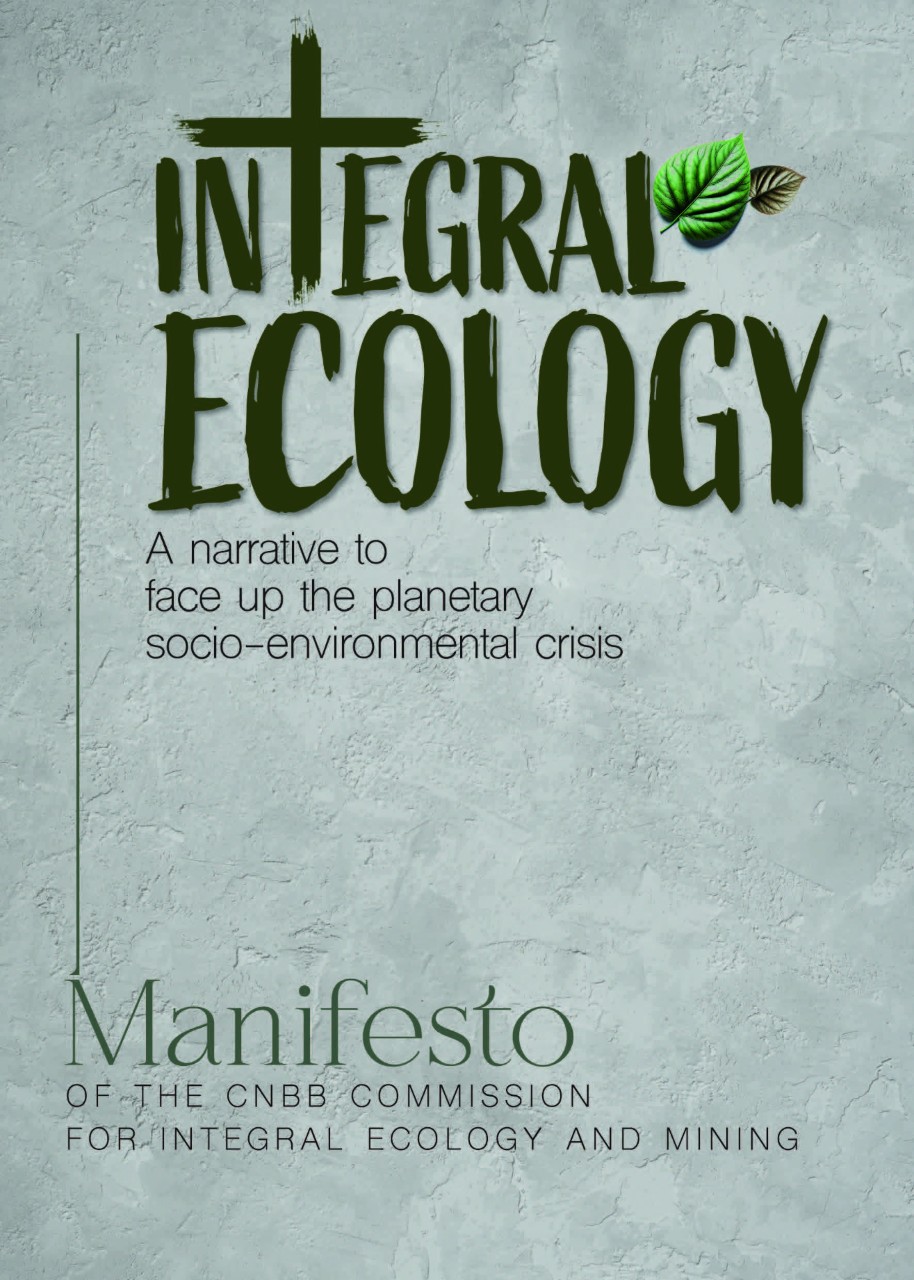
As a sign of communion with the Church's synodal journey and in preparation for COP30, the Special Commission for Integral Ecology and Mining of the National Conference of Bishops of Brazil (CNBB) has published the Manifesto for an Integral Ecology. It is a document deeply rooted in Christian spirituality and the prophetic tradition of the Church of Latin America,

Considering the Encyclical Laudato si', the Manifesto warns against false solutions that reduce ecology to a green aesthetic devoid of justice and denounces the logic of death present in predatory extractivism, the financialisation of nature and the so-called “energy transition”, which sacrifices the most vulnerable territories.

 At the same time, the Manifesto is also a proclamation of hope. It points to paths of life that arise from a faith incarnated in the daily life of communities: the witness of the martyrs of ecology, the resistance of original and traditional peoples, the practice of agroecology, happy sobriety and the spirituality of interdependence with all creation.

Available in Portuguese, Spanish and English, the Manifesto for an Integral Ecology is at the service of ecclesial communities, pastorates, dioceses and organisations that wish to live deeply the call to care for creation, listening to the cry of the earth and the poor, and witnessing with hope to the good news of the Kingdom.
Download the Manifesto em PDF

The Church in Brazil working to contribute to COP30

The Church in Brazil working to contribute to COP30

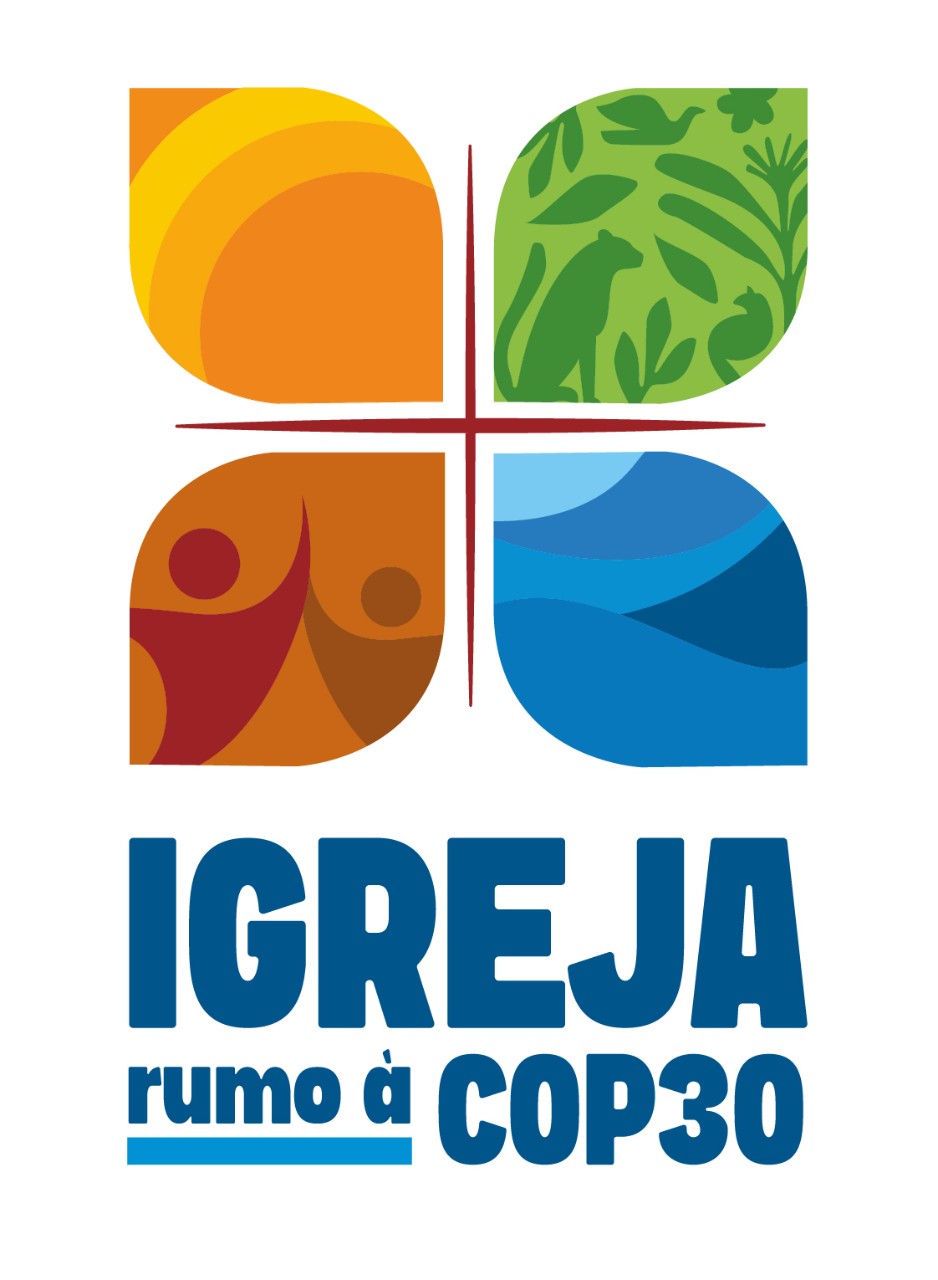
During the Permanent Council meeting at the headquarters of the National Bishops' Conference of Brazil (CNBB), the visual identity 'Church for COP30: Joining Together for Integral Ecology and Climate Justice' was launched. 

This action is part of the Church's commitment and interest in contributing to the preparatory work for the Climate Conference, which brings countries together each year to agree on concrete actions to combat global warming, and which will have the city of Belém, in northern Brazil, as its stage in 2025.

Cardinal Jaime Spengler, president of the CNBB, emphasised the importance of the Church's active and incisive participation in COP30: ‘Although it cannot replace political leaders, the Church has a prophetic duty to defend peoples, biomes and natural resources.’

One of the objectives of the initiative is to collectively reflect on the social and environmental challenges of the region and to amplify, through the Church, the voices of the most vulnerable communities and peoples of the Amazon in global discussions on the climate crisis and its social repercussions.

To strengthen this process, the Church is promoting a series of Pre-COP sessions in different macro-regions of the country. These formative meetings also aim to train Church leaders, promote popular mobilisation and deepen reflection on the impacts of the climate crisis on the territories.

According to Bishop Vicente de Paula Ferreira, secretary general of the CNBB's Special Commission for Integral Ecology and Mines: 'Climate change directly affects humanity, animals, plants and natural resources, threatening life on the planet.’ Therefore, according to Bishop Ferreira, the Church must engage in dialogue and advocacy, especially at events like COP30, so that the ecological transition is not just an economic adjustment, but a real lifestyle change based on respect for creation.


An explanatory video illustrates the graphic and conceptual elements of the visual identity, symbolising the Church's commitment to protect biomes, indigenous and traditional peoples, and to combat false climate solutions.

In the centre, the cross represents the faith that unites heaven and earth, guiding the Christian mission to care for our common home. Yellow refers to light and conversion, blue symbolises water as the source of life, green expresses creation and the urgency to preserve biodiversity, while brown represents the earth and the cry of the poor.

Convened by the Presidency of the National Bishops’ Conference of Brazil (CNBB), the initiative brings together a wide range of Catholic institutions committed to the socio-environmental agenda, including the Special Commission for Integral Ecology and Mining, the Commission for Socio-Transformative Action, the Special Commission for Amazonia, the Brazilian Conference of Religious (CRB), the Pan-Amazonian Ecclesial Network (REPAM), the Laudato Si' Movement and Caritas Brazil. In all, more than 100 organisations are involved at this table. 

The Auxiliary Bishop of Belém and local organiser of the Church Towards COP30 Project, Monsignor Paolo Andreolli, said that faith urges Catholics and Christians to care for the Common Home with compassion and courage: 'It is a time for unity, active commitment for climate justice and for the most vulnerable.’

26 August 2025